 Coach
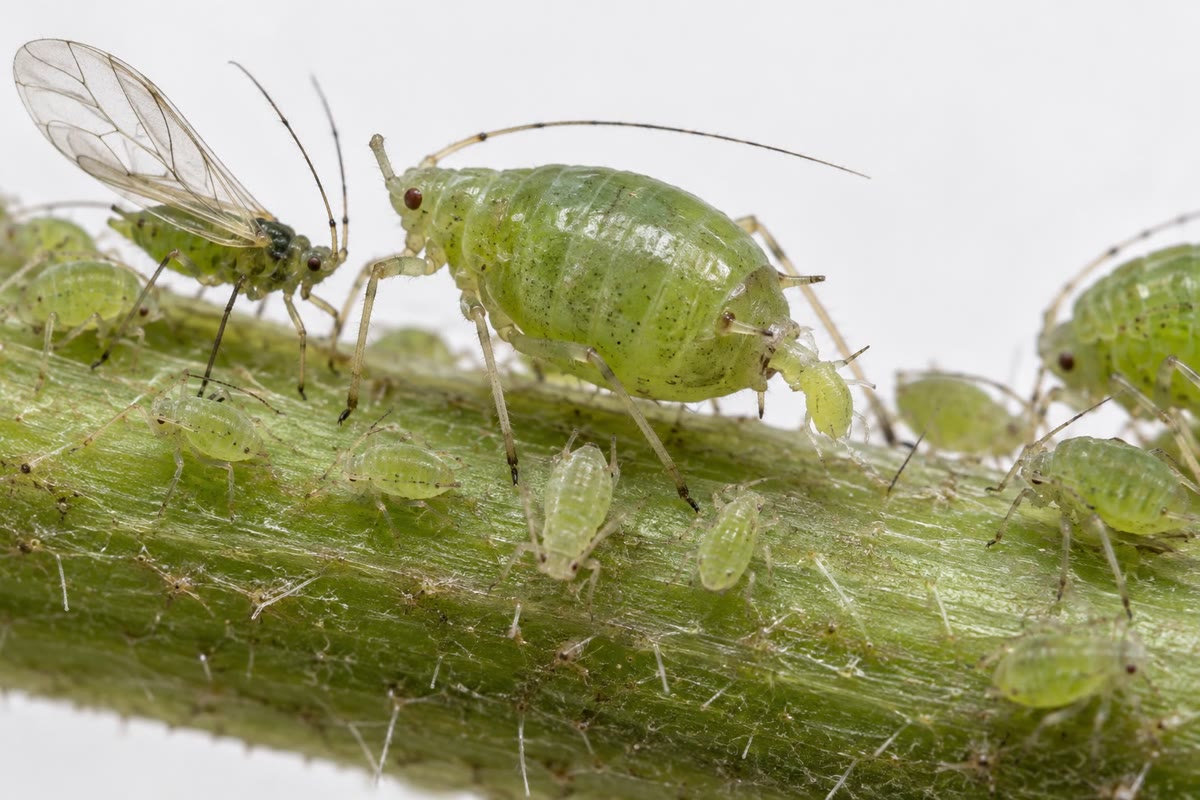
CoachApomixis is the production of seeds without fertilisation: an embryo develops from an unreduced egg cell (the megaspore mother cell skips meiosis) or directly from a cell of the nucellus, and the seed carries the mother’s genotype. Dandelions, hawkweeds, blackberries, Kentucky bluegrass and many citrus do this; the citrus seed often holds several embryos, one sexual and the rest nucellar copies of the mother. Apomixis keeps the seed — its dispersal, dormancy and coat — and drops the meiosis, so that a well-adapted genotype is broadcast unchanged; most apomicts are polyploids of hybrid origin whose meiosis would fail anyway. The animal counterpart is parthenogenesis, development from an unfertilised egg: obligate in some lizards and in bdelloid rotifers, which have had no males for tens of millions of years; cyclical in aphids and water fleas, which multiply parthenogenetically all summer, a female giving birth to live daughters that already carry their own embryos, and switch to a sexual generation in autumn that lays overwintering eggs.
Examples
Example 7.6 (An aphid summer)
A parthenogenetic aphid matures in about eight days and produces some five daughters a day for two weeks; the daughters are born already pregnant (the embryos begin developing inside the mother’s embryos). With a generation time near ten days and a net rate of increase of about per generation, a single founder in April could, unchecked, leave descendants within four months — more in mass than every animal now alive. Ladybirds, lacewings, parasitoid wasps, fungi and rain keep the number to a few thousand per plant, and the autumn sexual generation resets the clone into recombined eggs before winter.