Coach
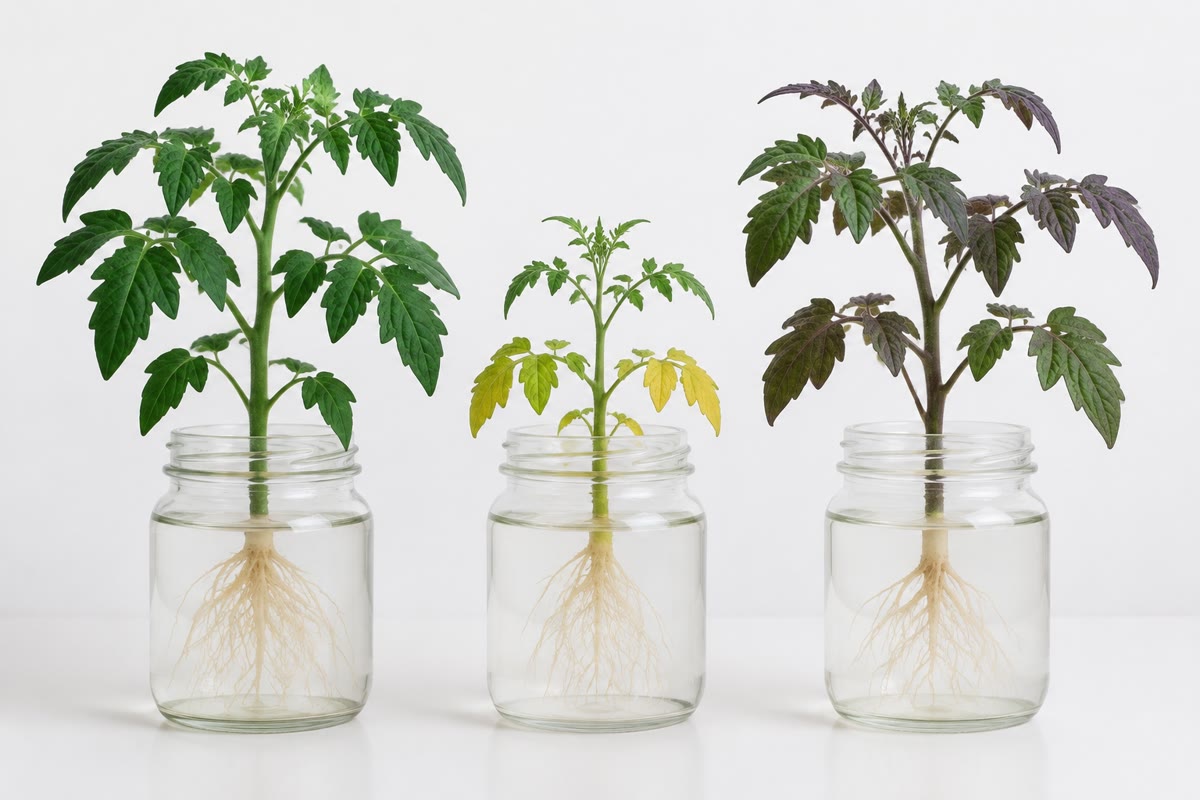
CoachAn element is essential to a plant if the plant cannot complete its life cycle without it and no other element can replace it. Seventeen are: carbon, hydrogen and oxygen from air and water; the macronutrients taken from the soil in grams per kilogram of dry mass — nitrogen (as nitrate or ammonium), phosphorus (phosphate), potassium, calcium, magnesium, sulfur (sulfate); and the micronutrients needed in milligrams or less — iron, manganese, zinc, copper, boron, molybdenum, chlorine, nickel. Nitrogen builds proteins and nucleic acids; phosphorus, nucleotides and membranes; potassium is the cell’s main cation and the osmotic agent of stomata; magnesium sits in chlorophyll; iron in the cytochromes and ferredoxin; molybdenum in nitrate reductase and nitrogenase.