 Coach
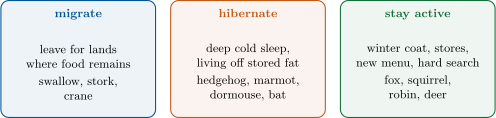
CoachThe rest stay active and change their equipment or their habits: a thicker winter coat, food stores gathered in autumn (the squirrel’s buried nuts), a switch of menu (Example 10.8’s blackbird), or simply harder searching — the fox, the deer, the robin.
Examples
Example 20.6 (Three neighbors, three strategies)
One hedgerow in January: the swallows that nested above it are in Africa, catching insects under a warm sun; the hedgehog below it sleeps cold and slow in its leaf nest, burning August’s fat; the robin on top of it, in its puffed-up winter plumage, patrols for the last berries. Come April, all three will be busy in the same hedge again.
Example 20.9 (Spring undoes it all)
In March and April the order reverses: insects return, the migrators reappear at their old nests, the hibernators wake thin and ravenous, winter coats are shed. The seasons turn, and the animals’ calendar turns with them — next autumn, the swallows will line up on the wires again.