Primary & Middle School Biology · Grades 1–9
10What Animals Eat
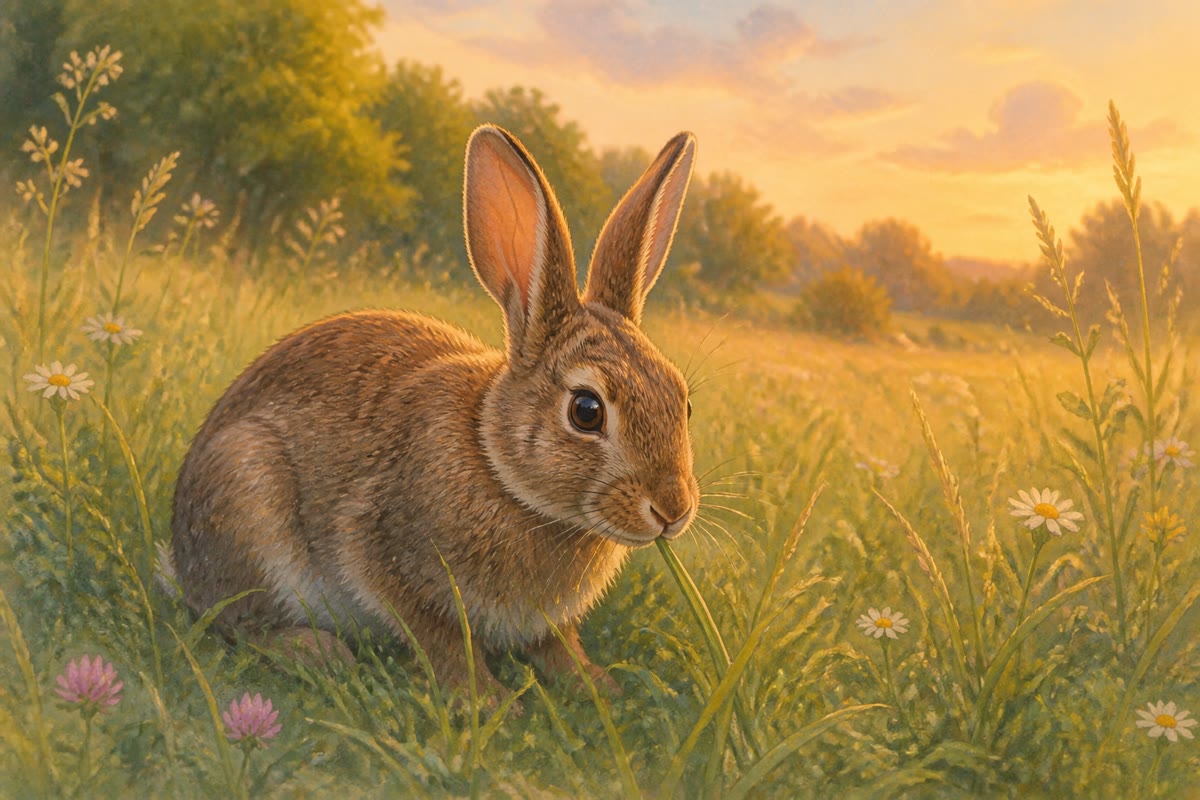
The rabbit in the meadow nibbles grass all day. The fox that crosses the same meadow at dusk is not interested in grass at all — it is interested in the rabbit. And the blackbird takes worms in the morning and cherries in the afternoon. Every animal must eat, but not every animal eats the same things.
10.1 Three kinds of eaters
Definition 10.1 (Herbivore, carnivore, omnivore)
Animals are sorted by what they eat:
Example 10.2 (One meadow, three menus)
In one summer meadow: the rabbit crops the grass (herbivore); the fox hunts the rabbit (carnivore); the blackbird takes a worm now, a cherry later (omnivore). Three neighbors, three menus — and notice that the fox’s dinner ate grass first.
Remark 10.3 (Carnivores are not villains)
The fox is not “mean” for eating rabbits: hunting is simply how a carnivore feeds — as natural as the rabbit’s nibbling. In nature, eating and being eaten are part of how life works; a later chapter will hang all these meals together into food chains.
10.2 Reading an animal’s menu from its body
Proposition 10.4 (Bodies match menus)
An animal’s body carries clues about its food:
- herbivores like the rabbit and the cow have big flat cheek teeth for grinding plants, and spend long hours eating;
- carnivores like the cat and the fox have pointed teeth for seizing prey, sharp claws, and forward-looking eyes for hunting;
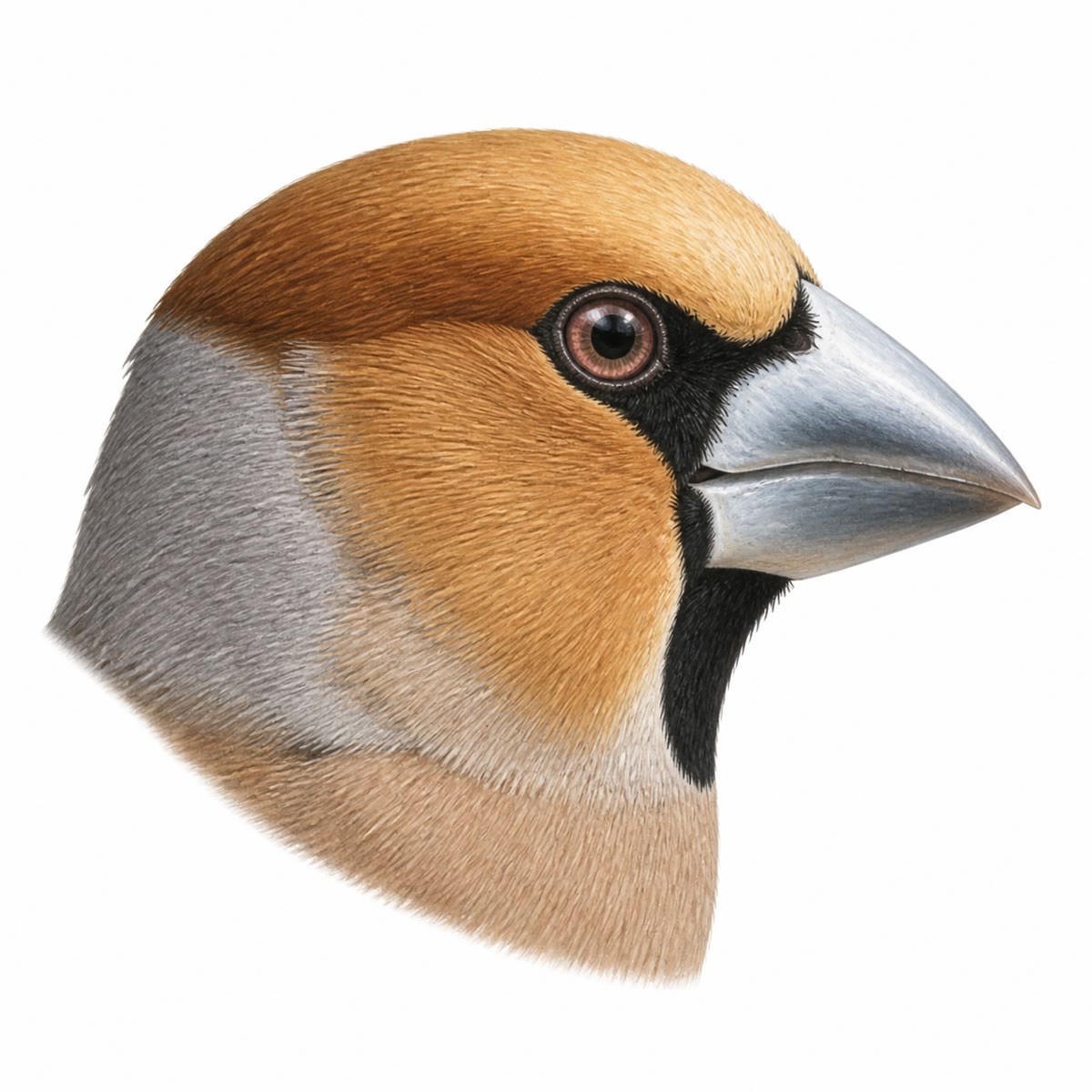
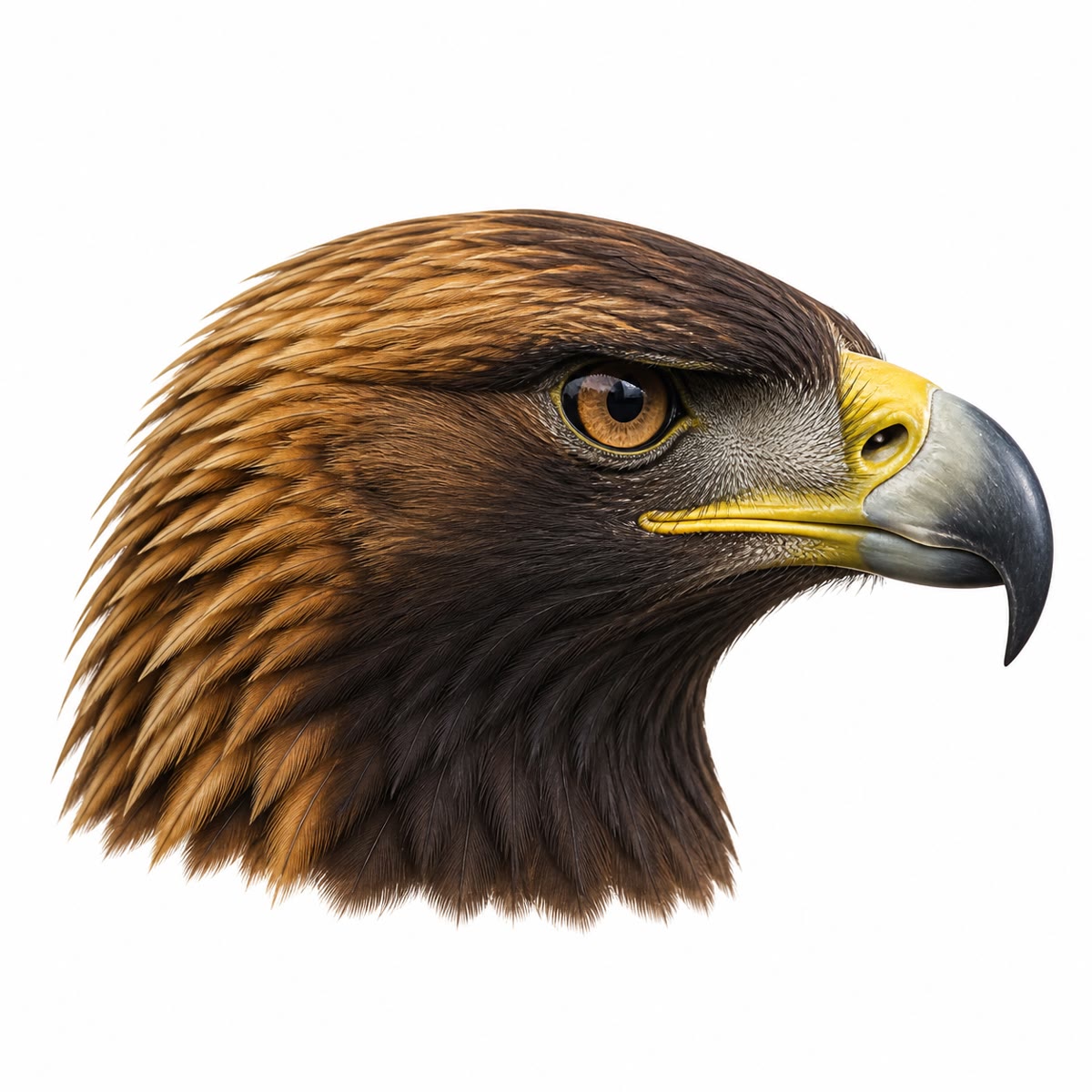
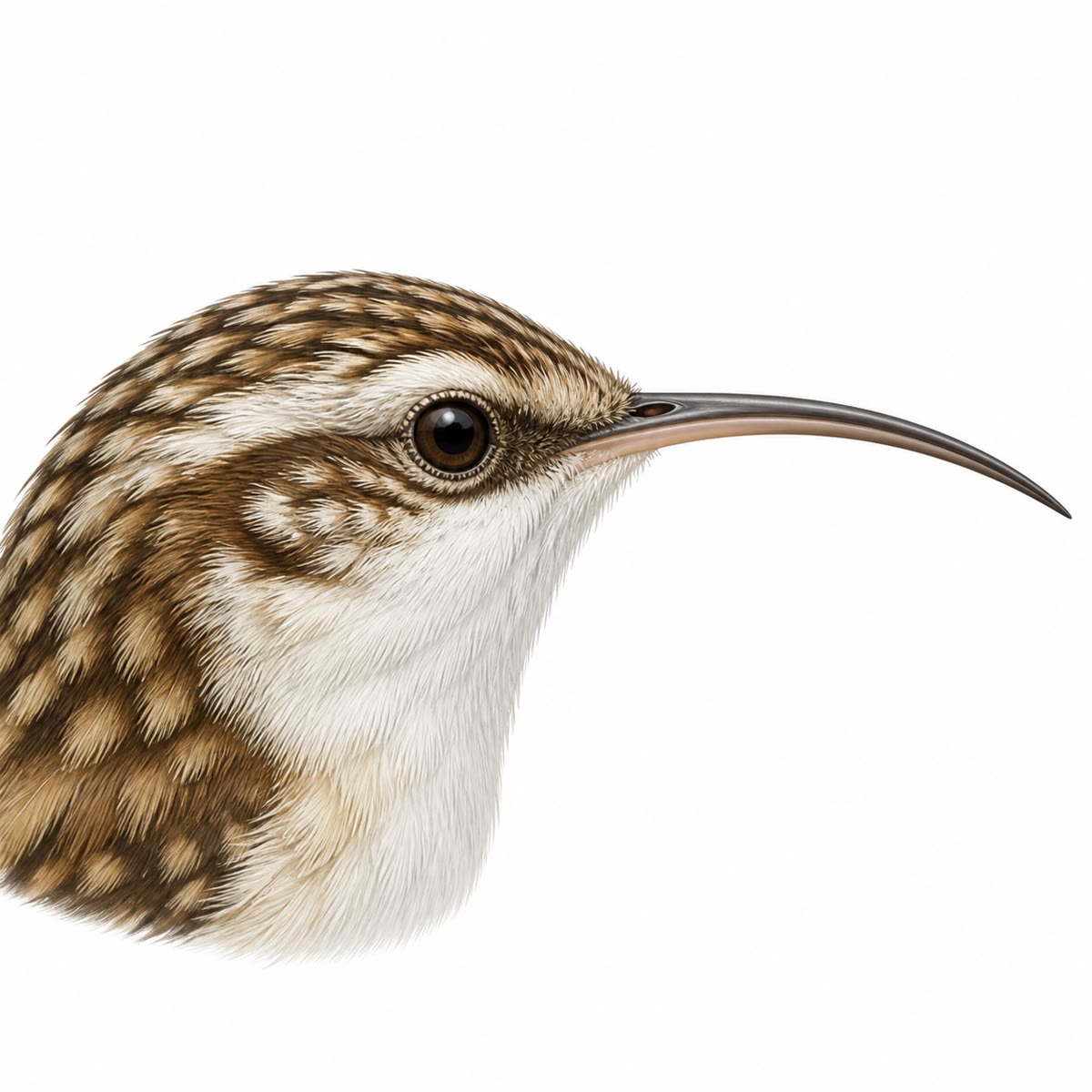
- birds show it in the beak: short and thick for cracking seeds (the sparrow), curved and hooked for tearing meat (the eagle), long and thin for picking insects from bark.
Proof. Admitted at this level. ∎
Example 10.5 (The cat’s teeth)
Watch a cat yawn: long pointed teeth at the front corners of its mouth. Those are seizing teeth — a carnivore’s equipment. The cow, yawning, would show none: her mouth is all wide, flat grinders for grass.
Method 10.6 (Guessing a menu)
To guess what an unknown animal eats:
10.3 Eating enough, day after day
Proposition 10.7 (Feeding is a daily task)
Food is the body’s fuel and building material, so animals must eat again and again, day after day. How much time it takes depends on the menu: grass gives little at each mouthful, so the cow grazes for hours; meat is rich, so the fox may eat one good meal and rest.
Proof. Admitted at this level. ∎
Example 10.8 (Winter changes the menu)
Food changes with the seasons. The blackbird eats worms and insects in summer, but in winter, when the ground is hard, it switches to berries. An omnivore’s wide menu is a great help when times get hard.
10.4 Exercises
Exercise 10.1 ★
Give the words for: an animal that eats plants; an animal that eats other animals; an animal that eats both.
Exercise 10.2 ★
Herbivore, carnivore or omnivore: (a) the cow; (b) the fox; (c) the blackbird; (d) the snail; (e) the human?
Exercise 10.3 ★
Which teeth does a herbivore need most: flat grinders, or pointed seizers? Why?
Solution
Solution of Exercise 10.3.
Flat grinders — plants like grass are tough and must be ground for a long time before swallowing; there is no prey to seize.
Exercise 10.4 ★
Match each beak with a menu: short and thick; curved and hooked; long and thin.
Solution
Solution of Exercise 10.4.
Short and thick: cracking seeds. Curved and hooked: tearing meat. Long and thin: picking insects out of bark and crevices.
Exercise 10.5 ★
The ladybug is small, pretty — and a carnivore. What does it hunt?
Solution
Solution of Exercise 10.5.
Tiny plant lice (aphids) — the ladybug eats great numbers of them, which makes gardeners love it.
Exercise 10.6 ★
Why does the cow spend many more hours eating than the fox does? Use Proposition 10.7.
Solution
Solution of Exercise 10.6.
Grass gives little nourishment at each mouthful, so the cow must graze for hours to get enough; meat is rich, so one good meal can last the fox a long while.
Exercise 10.7 ★
What does the blackbird eat in summer, and in winter? Why is a wide menu useful?
Solution
Solution of Exercise 10.7.
Worms and insects in summer; berries in winter, when the ground is too hard for worms. A wide menu lets an omnivore switch foods when one runs out — a great help in hard seasons.
Exercise 10.8 ★
Try it: watch birds in a park or at a feeder. Note what each kind takes — seeds, bread, insects, berries — and look at their beaks. Does Proposition 10.4 hold?
Exercise 10.9 ★★
A zoo receives a mystery animal: pointed front teeth, sharp claws, eyes facing forward. What is its likely menu? Which steps of Method 10.6 did you use?
Exercise 10.10 ★★
“Without grass there would soon be no foxes.” The fox never eats grass — yet the sentence is right. Explain, using the meadow of Example 10.2.
Solution
Solution of Exercise 10.10.
The fox eats rabbits, and rabbits eat grass. No grass, no rabbits; no rabbits, hungry foxes. The fox depends on grass through its prey — meals in nature form chains.