
Biology · Glossary

What is Trophic types?

Definition 2.1 University Biology — Year 2 · Chapter 2 — Microbial Metabolism and Biofilms

An organism is classified by three answers. Its energy source: light (phototroph) or chemical reactions (chemotroph). Its electron source: inorganic substances — H2\mathrm{H_2}, H2S\mathrm{H_2S}, NH4+\mathrm{NH_4^+}, Fe2+\mathrm{Fe^{2+}}, water — (lithotroph) or organic molecules (organotroph). Its carbon source: CO2\mathrm{CO_2} (autotroph) or organic carbon (heterotroph). Plants and cyanobacteria are photolithoautotrophs; animals, fungi and E. coli are chemoorganoheterotrophs; the nitrifying and sulfur-oxidising bacteria are chemolithoautotrophs, which make their organic matter from CO2\mathrm{CO_2} with energy drawn from the oxidation of minerals, in the dark. Almost every combination exists somewhere among prokaryotes; eukaryotes occupy only two.
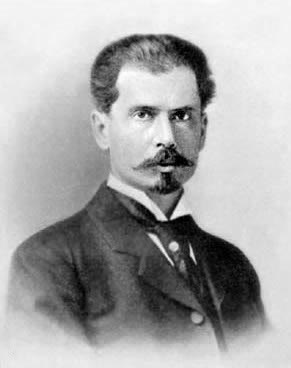
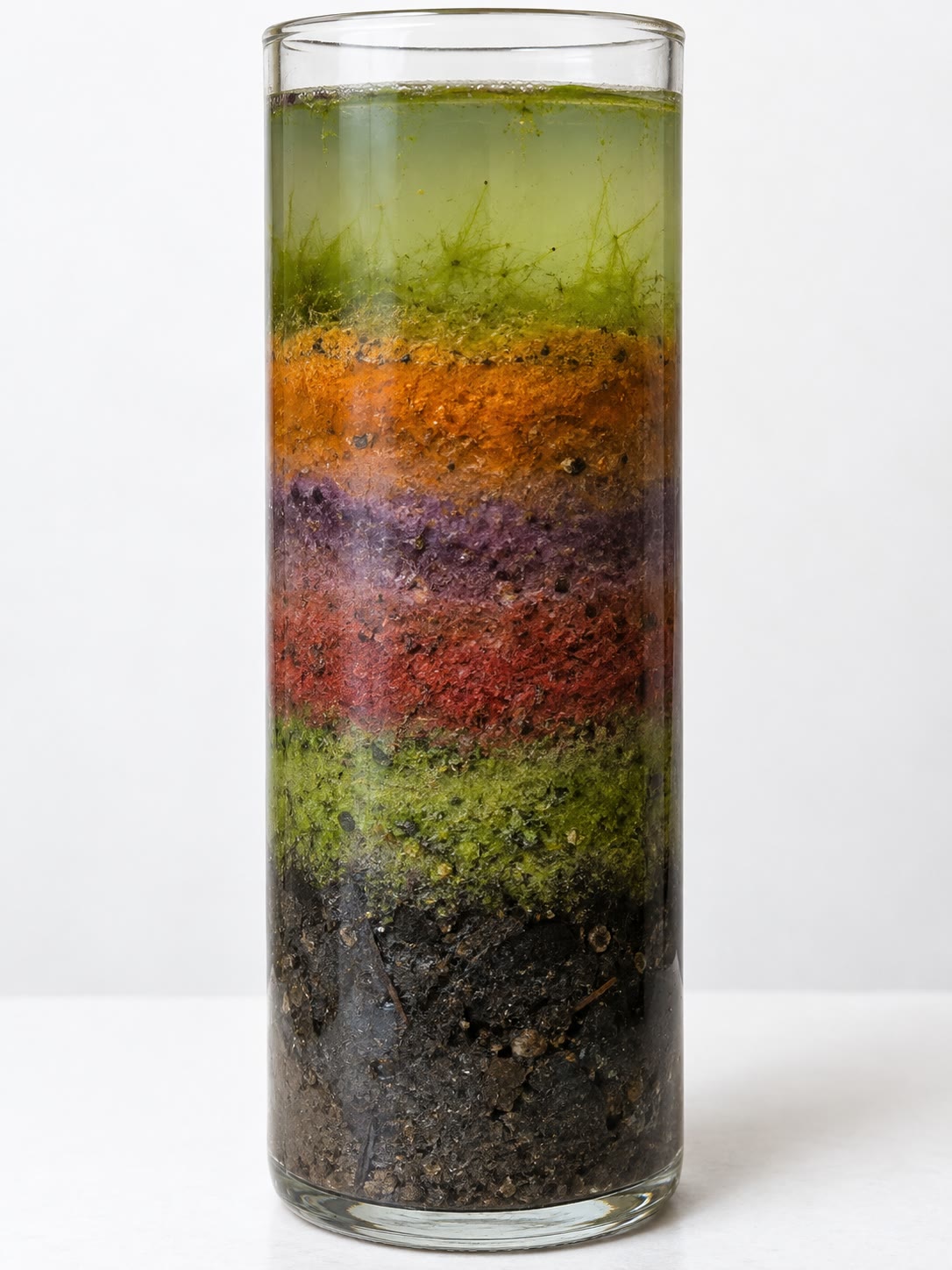
Sergei Winogradsky, who discovered chemolithotrophy, and the column that bears his name: a mud-and-water cylinder that stratifies under light into bands of algae, iron and sulfur oxidisers, purple and green sulfur bacteria, and sulfate reducers in the black mud. Sergei Winogradsky, who discovered chemolithotrophy, and the column that bears his name: a mud-and-water cylinder that stratifies under light into bands of algae, iron and sulfur oxidisers, purple and green sulfur bacteria, and sulfate reducers in the black mud.
Sergei Winogradsky, who discovered chemolithotrophy, and the column that bears his name: a mud-and-water cylinder that stratifies under light into bands of algae, iron and sulfur oxidisers, purple and green sulfur bacteria, and sulfate reducers in the black mud.
Read in context →