
সব বই

পেশাদার

1 Markets I: The Ecosystem and Exchange-Traded Marketsবাজার অনলাইন 2 Markets II: Rates, FX and Creditবাজার অনলাইন 3 Markets III: Commodities, Energy and Cryptoবাজার অনলাইন 4 Quantitative Methodsপদ্ধতি অনলাইন 5 Derivatives and Volatilityডেরিভেটিভস অনলাইন 6 Rates, Credit, XVA and Riskসুদহার, ঋণ ও ঝুঁকি অনলাইন 7 Research Craft: Predictors, Backtests, Measurement, Portfoliosগবেষণা অনলাইন 8 Strategies I: Equities and Futuresকৌশল অনলাইন 9 Strategies II: Volatility, Relative Value, Macro and the Bank Desksকৌশল অনলাইন 10 Microstructure and Executionএক্সিকিউশন অনলাইন 11 Market Making and High-Frequency Tradingমার্কেট মেকিং অনলাইন 12 Machine Learning for Marketsমেশিন লার্নিং অনলাইন 13 Low-Latency Softwareপ্রযুক্তি অনলাইন 14 Networks, Hardware and Trading Infrastructureপ্রযুক্তি অনলাইন 15 Research, Data and Risk Platformsপ্রযুক্তি অনলাইন 16 The Desk and the Firmপ্রতিষ্ঠান অনলাইন 17 The Industry: Firms, Roles and Careersক্যারিয়ার অনলাইন 18 Interviews I: Maths, Probability and Speedক্যারিয়ার অনলাইন 19 Interviews II: Markets, Trading Games and the Final Roundক্যারিয়ার অনলাইন 20 Interviews III: Codeক্যারিয়ার অনলাইন
অ্যাপ পরিচিতি Coach সাইন ইন পড়া শুরু করো

বইগুলো এখনো বাংলা ভাষায় পাওয়া যায় না — ইংরেজি সংস্করণ দেখানো হচ্ছে।

Biology · পরিভাষা

Trophic types কী?

Definition 2.1 University Biology — Year 2 · অধ্যায় 2 — Microbial Metabolism and Biofilms

An organism is classified by three answers. Its energy source: light (phototroph) or chemical reactions (chemotroph). Its electron source: inorganic substances — H2\mathrm{H_2}, H2S\mathrm{H_2S}, NH4+\mathrm{NH_4^+}, Fe2+\mathrm{Fe^{2+}}, water — (lithotroph) or organic molecules (organotroph). Its carbon source: CO2\mathrm{CO_2} (autotroph) or organic carbon (heterotroph). Plants and cyanobacteria are photolithoautotrophs; animals, fungi and E. coli are chemoorganoheterotrophs; the nitrifying and sulfur-oxidising bacteria are chemolithoautotrophs, which make their organic matter from CO2\mathrm{CO_2} with energy drawn from the oxidation of minerals, in the dark. Almost every combination exists somewhere among prokaryotes; eukaryotes occupy only two.
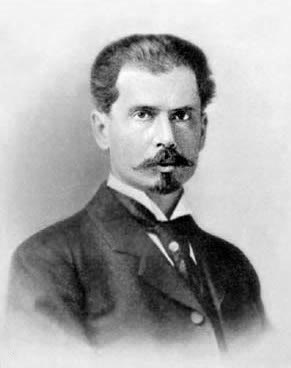
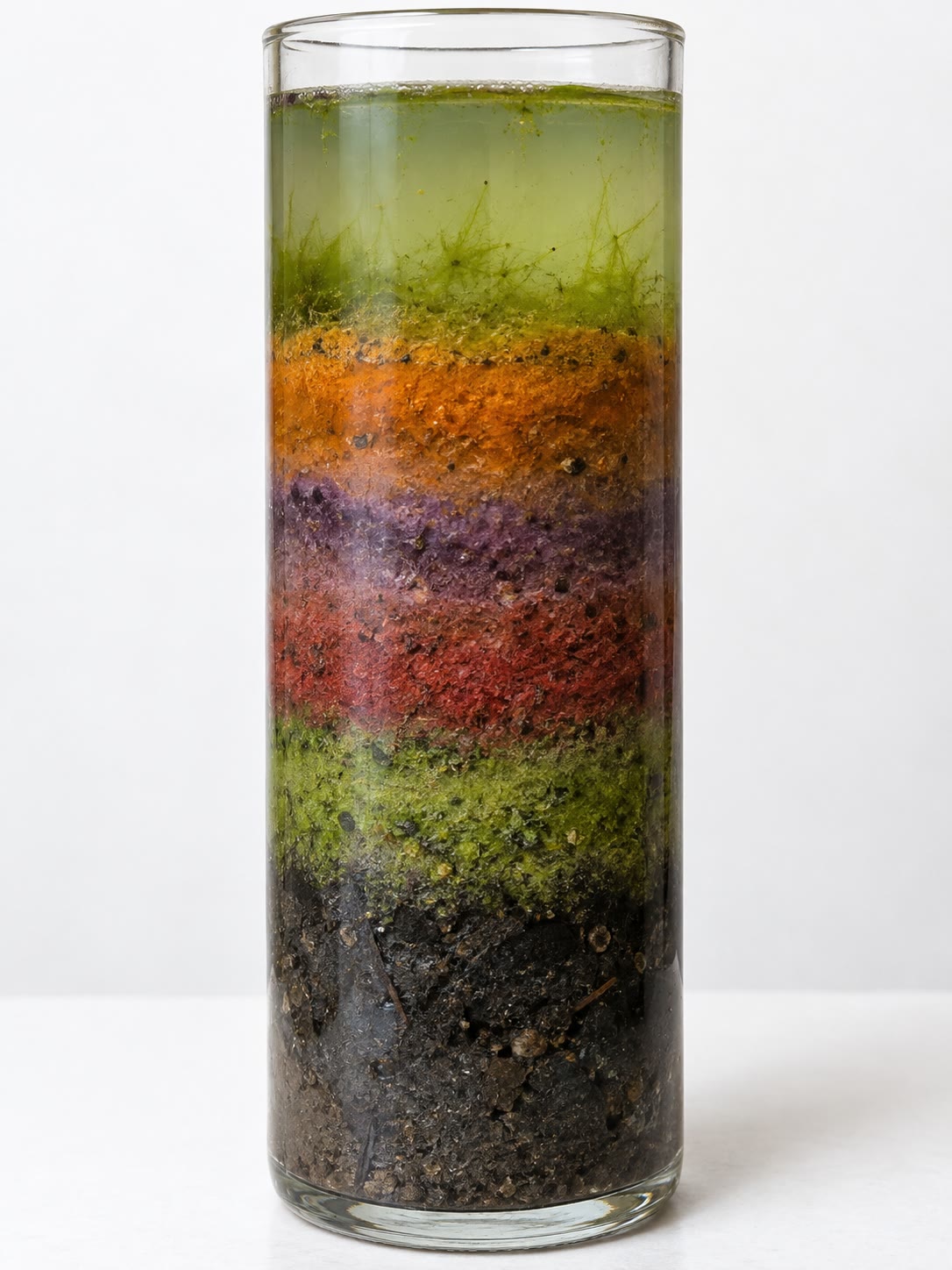
Sergei Winogradsky, who discovered chemolithotrophy, and the column that bears his name: a mud-and-water cylinder that stratifies under light into bands of algae, iron and sulfur oxidisers, purple and green sulfur bacteria, and sulfate reducers in the black mud. Sergei Winogradsky, who discovered chemolithotrophy, and the column that bears his name: a mud-and-water cylinder that stratifies under light into bands of algae, iron and sulfur oxidisers, purple and green sulfur bacteria, and sulfate reducers in the black mud.
Sergei Winogradsky, who discovered chemolithotrophy, and the column that bears his name: a mud-and-water cylinder that stratifies under light into bands of algae, iron and sulfur oxidisers, purple and green sulfur bacteria, and sulfate reducers in the black mud.
প্রসঙ্গসহ পড়ো →