 Coach
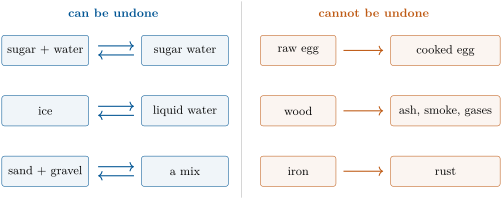
CoachAn irreversible change is a change that cannot simply be undone. Most of them are changes in which new substances appear that were not there at the start: such a change is called a chemical change.
Examples
Example 6.6 (Six chemical changes)
- Cooking an egg: the runny, see-through white becomes firm and white.
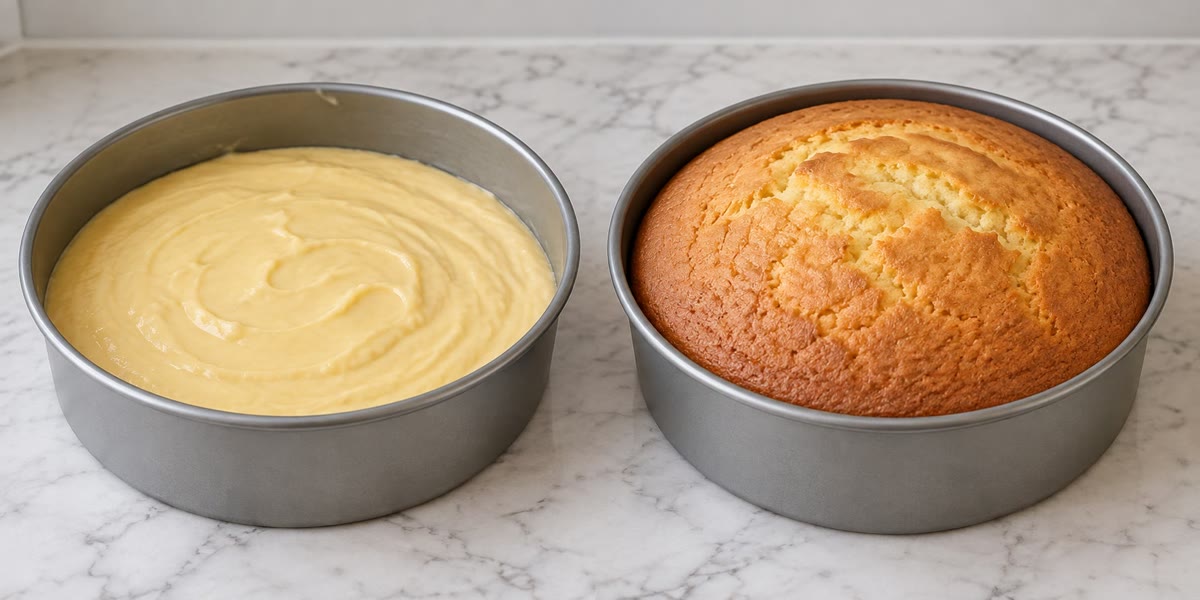
- Baking a cake: a runny batter becomes a spongy cake, brown on the outside, with a new smell.
- Burning: wood becomes ash, smoke, carbon dioxide and water vapour.
- Rusting: shiny iron left out in the rain becomes covered in a flaky orange-brown substance, rust.
- Milk turning sour: forgotten for days, milk thickens, forms lumps and smells sour.
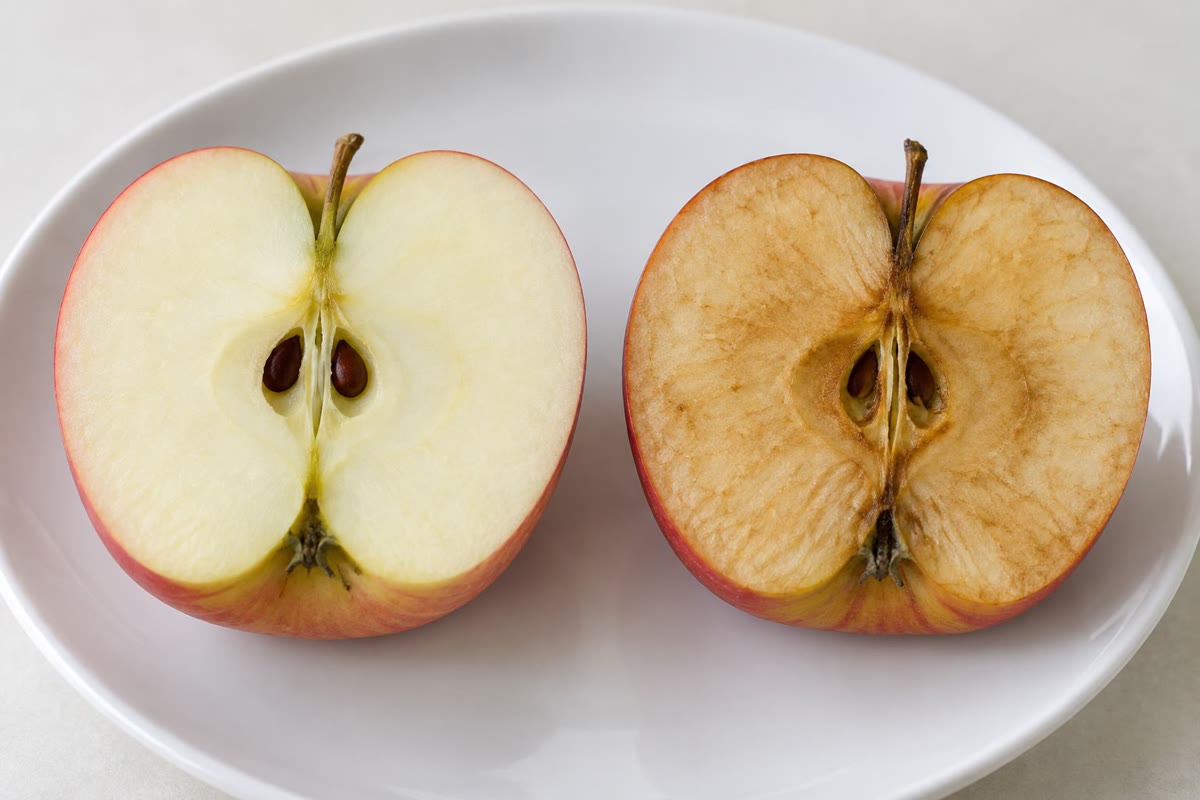
- A cut apple browning: its pale flesh turns brown in the air within an hour.
In each case something new has been made, and there is no simple way to get back what we started with.