 Coach
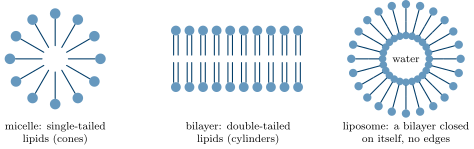
CoachThe lipids of membranes are amphiphilic: a polar head that water solvates and one or two non-polar tails that it excludes. Glycerophospholipids are glycerol bearing two fatty acids and, on the third carbon, a phosphate linked to a small polar alcohol (choline, ethanolamine, serine, inositol): phosphatidyl-choline is the commonest lipid of animal membranes. Sphingolipids are built on the amino-alcohol sphingosine instead of glycerol, with one fatty acid and a head of phosphocholine (sphingomyelin) or of sugars (glycolipids), and are enriched in the outer leaflet and in nerve sheaths. Sterols — cholesterol in animals, related sterols in plants and fungi — are rigid four-ring molecules with a single hydroxyl as their head, lying among the tails of the other lipids.
Examples
Example 9.9 (Bile salts)
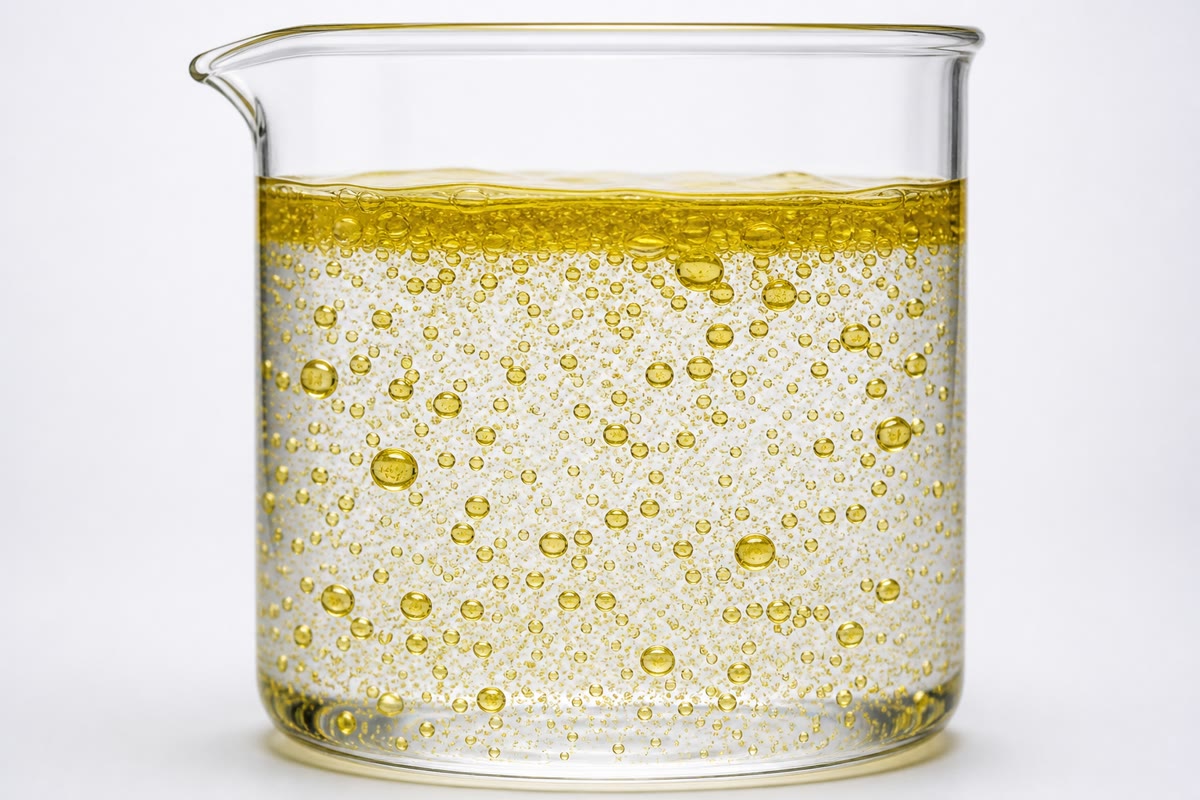
Dietary fat arrives in the intestine as oil; the lipase that digests it works only at the oil–water interface. Bile salts, amphiphilic derivatives of cholesterol, coat the fat into droplets a micrometre across, multiplying the interface a thousandfold, and then carry the fatty acids released, in micelles, to the absorbing cells (Chapter 22). The same trick is used by soap.