 Coach
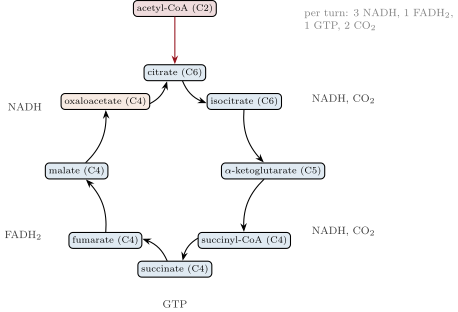
CoachThe Krebs cycle (citric acid cycle) in the mitochondrial matrix condenses acetyl-CoA (C2) with oxaloacetate (C4) into citrate (C6) and, in eight steps, oxidises the two carbons to while regenerating oxaloacetate. Per acetyl group: 3 NADH, 1 , 1 GTP (by substrate-level phosphorylation) and 2 . Per glucose (two acetyls): 6 NADH, 2 , 2 GTP, 4 — which with the 2 of pyruvate dehydrogenase makes the six of the overall equation. No oxygen is consumed in the cycle itself; it runs only as long as the respiratory chain re-oxidises its NADH. It is also amphibolic: its intermediates are drawn off for biosynthesis (Chapter 16) and replenished from amino acids and pyruvate.
Examples
Example 15.7 (Following the carbons)
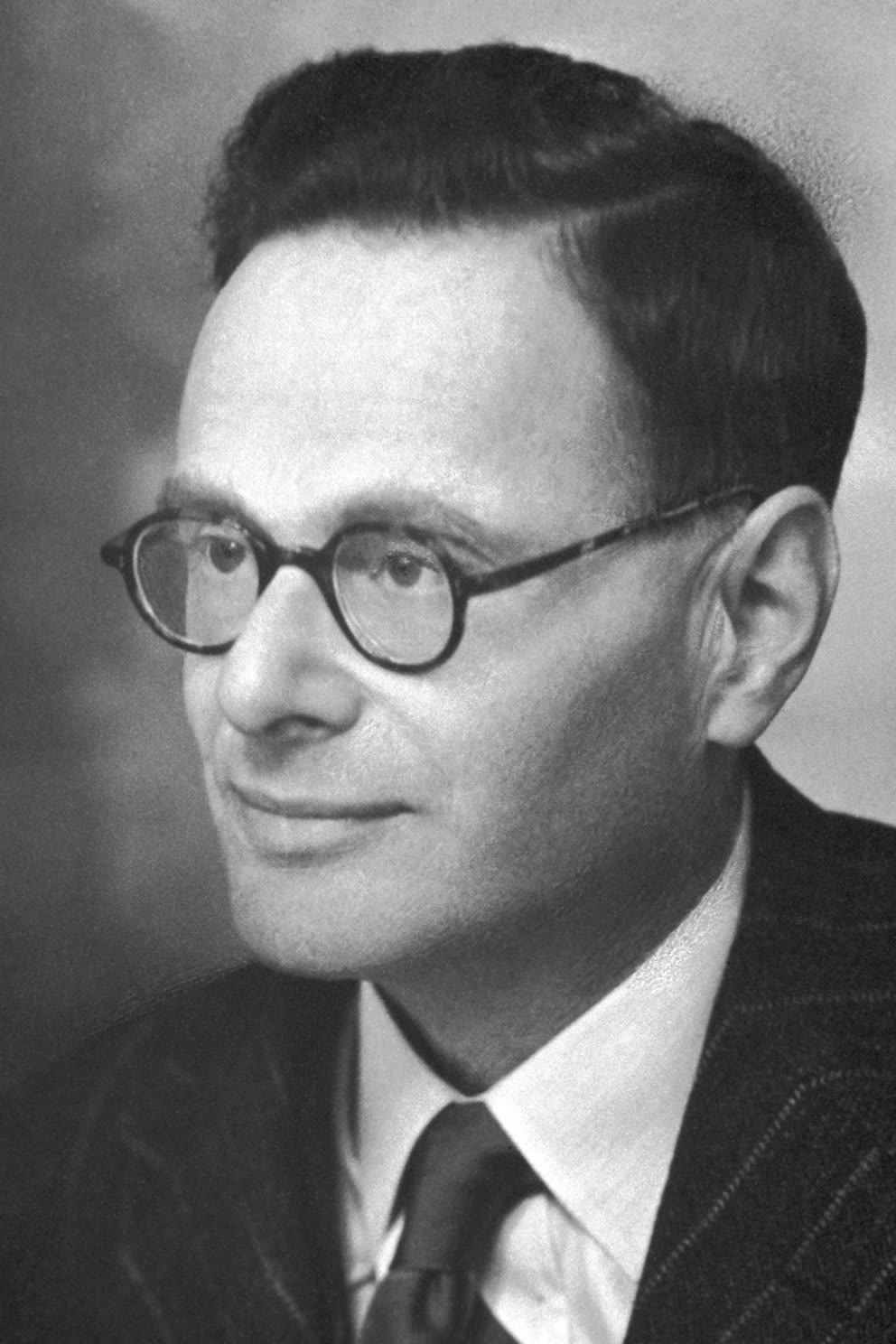
Feed a cell glucose labelled with on carbon 1: the label appears in the methyl carbon of pyruvate, then of acetyl-CoA, enters citrate, and leaves as only on the second or third turn of the cycle — the two carbons released in a given turn belong to the oxaloacetate of the previous one. Krebs (1937) deduced the cycle from the observation that catalytic amounts of any of its acids stimulated the oxidation of far more pyruvate than they could account for themselves: they were being regenerated.