University Biology — Year 1 · Bachelor Year 1
16Biosyntheses and the Integrated Cell
At eight in the morning a liver is turning the sugar of breakfast into glycogen and fat; at three the next morning the same liver is making sugar out of the amino acids of muscle and pouring it into the blood for a brain that has eaten nothing for nine hours. Nothing in the enzymes has changed; what has changed is which of them are switched on. The previous chapters took the cell’s molecules apart; this one puts them together — the syntheses of sugars, glycogen, fats and amino acids — and then asks how a cell, and an organism, decide at each moment which pathways run. The answer is a small set of shared currencies, a few enzymes at the crossroads, and hormones that tell every cell the state of the whole.
16.1 What a synthesis needs
Proposition 16.1 (The three requirements of anabolism)
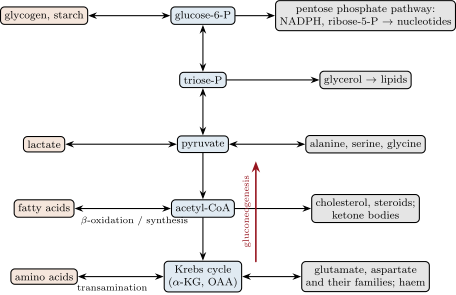
Every biosynthesis needs carbon skeletons, drawn from a handful of intermediates of glycolysis and the Krebs cycle; reducing power, supplied as NADPH; and energy, supplied as ATP. Catabolism and anabolism therefore meet at the same crossroads — glucose-6-phosphate, triose phosphate, pyruvate, acetyl-CoA, -ketoglutarate, oxaloacetate — but run on separate enzymes at the irreversible steps, so that each direction can be switched independently, and they use separate coenzymes for their electrons: NADH, kept oxidised, for taking electrons away in catabolism; NADPH, kept reduced, for handing them over in synthesis.
Definition 16.2 (The pentose phosphate pathway)
The pentose phosphate pathway of the cytosol oxidises glucose-6-phosphate to ribulose-5-phosphate and , reducing two to NADPH; its non-oxidative branch then interconverts five-, four-, six- and seven-carbon sugar phosphates, so that the cell can make ribose-5-phosphate for nucleotides when it needs pentoses, NADPH when it needs reducing power (fat synthesis, defence against oxidants), or both, and return the rest to glycolysis. It is the main source of NADPH in animal cells; in plants the chloroplast’s light reactions supply NADPH by day.
16.2 Making glucose: gluconeogenesis
Definition 16.3 (Gluconeogenesis)
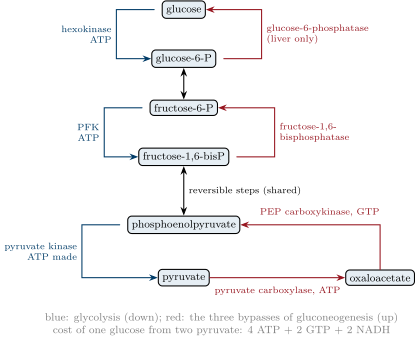
Gluconeogenesis makes glucose from non-carbohydrate precursors — lactate, pyruvate, glycerol and the carbon skeletons of most amino acids — in the liver (and a little in the kidney). It runs glycolysis backward through its seven reversible steps and bypasses the three irreversible ones with different enzymes: pyruvate is carboxylated to oxaloacetate (in the mitochondrion, one ATP) and decarboxylated to phosphoenolpyruvate (one GTP); fructose-1,6-bisphosphate is hydrolysed to fructose-6-phosphate; glucose-6-phosphate is hydrolysed to free glucose, which leaves the cell. Per glucose: 6 ATP equivalents and 2 NADH, against the 2 ATP glycolysis yields — the price of running a downhill path uphill.
Proposition 16.4 (What can and cannot become glucose)
Lactate, glycerol, and the amino acids that yield pyruvate or Krebs-cycle intermediates (all but leucine and lysine) can be turned into glucose. Fatty acids cannot, in animals: their -oxidation gives acetyl-CoA, whose two carbons enter the cycle and leave as two before any oxaloacetate is gained, so there is no net route from acetyl-CoA to sugar. Plants, fungi and bacteria possess the glyoxylate cycle, a shortcut that skips the two decarboxylations and lets a germinating oil seed turn its fat into the sugar its seedling needs. A starving mammal, by contrast, must make its glucose from protein.
Example 16.5 (The Cori cycle)
A sprinting muscle ferments glycogen to lactate, which enters the blood; the liver takes the lactate up, oxidises it to pyruvate, makes glucose from it at 6 ATP per glucose, and returns the glucose to the blood for the muscle to use again. The muscle has gained 2 ATP per glucose without oxygen and passed a bill of 6 to the liver, which pays it with oxygen at leisure: the “oxygen debt” of a sprint is repaid largely in the liver.
16.3 Storing: glycogen and fat
Definition 16.6 (Glycogen synthesis)
Glucose is stored as glycogen by activating glucose-6-phosphate to UDP-glucose (one UTP), which glycogen synthase adds to the non-reducing ends of the existing tree; a branching enzyme cuts and re-attaches short chains to make the branches (Chapter 10). Synthase and phosphorylase are regulated in opposite directions by the same signals: the phosphorylation that switches phosphorylase on switches synthase off, so the tree is never built and dismantled at once.
Definition 16.7 (Fatty acid synthesis)
Fatty acids are made in the cytosol from acetyl-CoA exported from the mitochondrion. Acetyl-CoA carboxylase, the regulated step, carboxylates it (one ATP) to malonyl-CoA; fatty acid synthase then adds two carbons at a time from malonyl-CoA to a growing chain, reducing each addition with two NADPH, until palmitate (C16) is released: 8 acetyl-CoA, 7 ATP and 14 NADPH per palmitate. Elongation and desaturation in the endoplasmic reticulum make the other acids; esterification with glycerol-3-phosphate (from triose phosphate) makes triglycerides. The pathway is not -oxidation reversed: different enzymes, a different compartment, malonyl-CoA instead of acetyl-CoA, NADPH instead of and NADH — and malonyl-CoA blocks the transport of fatty acids into the mitochondrion, so a cell does not make fat and burn it at the same time.
Example 16.8 (Fat from sugar)
A liver given more glucose than it can store as glycogen makes fat: glucose to pyruvate to acetyl-CoA (losing a third of the carbon as and gaining ATP), acetyl-CoA to palmitate at the cost of that ATP and of NADPH from the pentose phosphate pathway, palmitate to triglyceride shipped to adipose tissue. Some of the sugar’s energy is lost in the conversion; the rest is stored nine times more compactly than glycogen (Chapter 9). The reverse — fat to sugar — is impossible.
16.4 Nitrogen: amino acids and nucleotides
Definition 16.9 (Nitrogen assimilation, transamination)
Ammonium enters organic matter almost entirely through glutamate: glutamate dehydrogenase adds it to -ketoglutarate, and glutamine synthetase adds a second to glutamate’s side chain (one ATP), making glutamine. From these two donors, transaminases (aminotransferases, with a vitamin B coenzyme) move the amino group onto any -keto acid, building amino acids from the carbon skeletons of the central pathways: the glutamate family from -ketoglutarate, the aspartate family from oxaloacetate, alanine and serine from pyruvate and 3-phosphoglycerate. Plants and bacteria make all twenty; animals have lost the long pathways to nine of them, the essential amino acids, and take them from food. The same transaminases, run backward, strip nitrogen from surplus amino acids for excretion as ammonia (fish), urea (mammals) or uric acid (birds, insects).
Example 16.10 (Nucleotides)
A purine ring is assembled on ribose-5-phosphate from glycine, aspartate, two glutamines, two one-carbon units and , at the cost of six ATP; a pyrimidine from aspartate and carbamoyl phosphate. Deoxynucleotides are made from ribonucleotides by reducing the sugar, using NADPH. A cell about to divide makes some nucleotides in an hour; the drugs that block these syntheses — methotrexate, 5-fluorouracil — stop dividing cells first, which is why they treat cancer.
16.5 The integrated mammal
Proposition 16.11 (Fed and fasting)
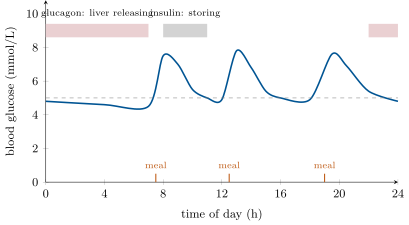
The organs share the work. After a meal, insulin from the pancreas tells the liver to store glucose as glycogen and convert the surplus to fat, the muscles to take up glucose and store glycogen, the adipose tissue to take up fat; the blood glucose, risen to , returns to in two hours. Between meals, glucagon tells the liver to break its glycogen down and, as it runs low, to make glucose from lactate, glycerol and amino acids, and the adipose tissue to release fatty acids, which the muscles and the liver burn in place of glucose; the brain, which cannot burn fat, keeps its of glucose a day. In a fast of days the liver turns fatty acids into ketone bodies, small acids the brain can use, and the demand for glucose — and for the protein that makes it — falls by two thirds. The hormonal mechanisms belong to the Year 2 volume; the metabolic logic is this chapter’s.
Method 16.12 (Reading a metabolic state)
- Ask which fuel is abundant: high glucose means storage (glycogen, then fat); low glucose means mobilisation.
- Follow the signals: insulin activates synthases and inactivates phosphorylase and lipase; glucagon does the reverse — mostly through phosphorylation of the same enzymes (Chapter 13).
- Check the crossroads: ATP and citrate block PFK and open gluconeogenesis; AMP does the opposite; malonyl-CoA blocks fat burning while fat is being made; acetyl-CoA activates the carboxylase that starts gluconeogenesis.
- Assign the organs: liver (stores, makes and exports glucose; makes ketones and urea), muscle (stores glycogen for itself, exports lactate and alanine), adipose tissue (stores and releases fat), brain (burns glucose, then ketones).
16.6 The integrated plant
Proposition 16.13 (Source and sink)
By day a leaf’s chloroplasts export triose phosphate to the cytosol, where it is made into sucrose for export in the phloem (Chapter 24) to the roots, fruits and growing tips; what the phloem cannot take is kept in the chloroplast as starch, a transient store, and mobilised at night to keep the sucrose flowing. Where a mammal’s liver decides between glycogen and export by hormones, a leaf decides between starch and sucrose by the level of phosphate in the cytosol, which controls the exporter of the chloroplast envelope. A plant regulates by the concentrations of its own metabolites, organ by organ; the mammal adds a nervous and hormonal command over the whole.
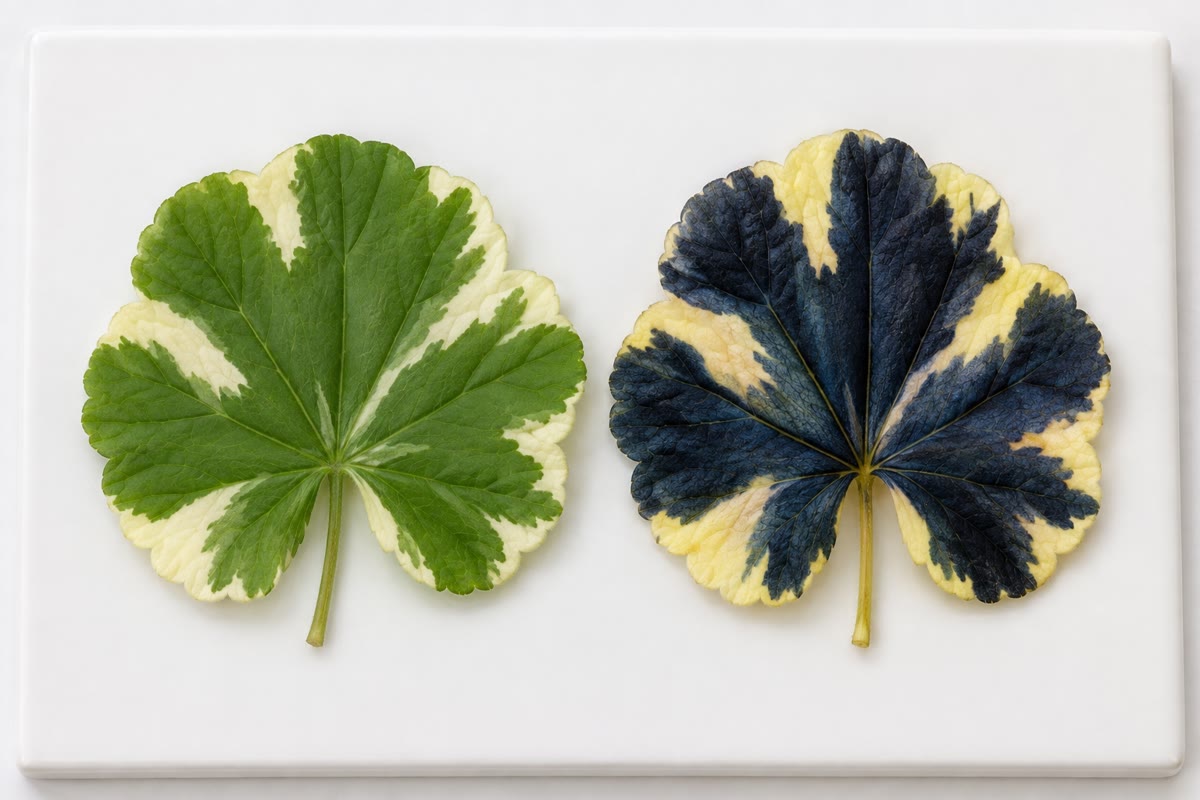
Example 16.14 (A night’s starch)
A leaf sets aside as starch about half of what it fixes by day and degrades it at an almost constant rate through the night, so that the store runs out just before dawn: shorten the night artificially and starch is left over; lengthen it and the plant starves in the last hours. The rate is adjusted within the first hour of darkness to the size of the store and the expected length of the night — a computation done with enzymes and a clock, in a cell with no brain.
16.7 Exercises
Exercise 16.1 ★
Name the three things a biosynthesis needs and the pathway that supplies most of an animal cell’s NADPH.
Solution
Solution of Exercise 16.1.
Carbon skeletons (from the central pathways), reducing power (NADPH), energy (ATP). The pentose phosphate pathway.
Exercise 16.2 ★
List the three irreversible steps of glycolysis and the enzyme that bypasses each in gluconeogenesis.
Solution
Solution of Exercise 16.2.
Hexokinase, bypassed by glucose-6-phosphatase; phosphofructokinase, by fructose-1,6-bisphosphatase; pyruvate kinase, by pyruvate carboxylase plus PEP carboxykinase.
Exercise 16.3 ★
From the blood-glucose figure, read the peak after breakfast, the time to return to , and the lowest overnight value.
Solution
Solution of Exercise 16.3.
Peak about an hour after the meal; back to after about three hours; lowest about before breakfast.
Exercise 16.4 ★
Why can a germinating sunflower seed make sugar from its oil and a starving human cannot?
Solution
Solution of Exercise 16.4.
The seed has the glyoxylate cycle, which turns two acetyl-CoA into one four-carbon acid without losing carbon as , and from that acid makes sugar. Animals lack the two enzymes of the shortcut: their acetyl-CoA enters the Krebs cycle and its two carbons leave as before any net oxaloacetate appears.
Exercise 16.5 ★★
Compute the ATP cost of making one glucose from two lactate, and the net cost of one turn of the Cori cycle (muscle gains 2, liver spends 6). Who pays, and with what?
Exercise 16.6 ★★
One palmitate needs 8 acetyl-CoA, 7 ATP and 14 NADPH. How many glucose molecules must pass through glycolysis and pyruvate dehydrogenase to supply the acetyl-CoA, and how many through the pentose phosphate pathway (2 NADPH each) to supply the NADPH?
Solution
Solution of Exercise 16.6.
Each glucose gives 2 acetyl-CoA: 4 glucose. Each glucose through the oxidative branch gives 2 NADPH: 7 glucose. Eleven glucoses for one palmitate — of which four provide carbon and seven provide electrons.
Exercise 16.7 ★★
Explain why fatty acid synthesis and -oxidation use different enzymes, different compartments and different coenzymes, and how malonyl-CoA prevents them from running together.
Solution
Solution of Exercise 16.7.
Different enzymes let each direction be switched on or off independently; different compartments (cytosol for synthesis, matrix for oxidation) separate the two pools of intermediates; NADPH is kept reduced for synthesis while NAD is kept oxidised for degradation, so each direction is thermodynamically favoured in its own place. Malonyl-CoA, the first committed intermediate of synthesis, inhibits the carnitine shuttle that carries fatty acids into the mitochondrion: while fat is being made, none is burned.
Exercise 16.8 ★★
Write the transamination of alanine with -ketoglutarate and name the products. Which direction runs after a protein meal, and which in a fast?
Solution
Solution of Exercise 16.8.
Alanine -ketoglutarate pyruvate glutamate. After a protein meal, surplus alanine gives its nitrogen to glutamate (rightward), for disposal as urea and its carbon for fuel or glucose. In a fast, muscle protein is broken down and its amino groups collected onto pyruvate as alanine (leftward in muscle), shipped to the liver, and there converted back to pyruvate and glucose.
Exercise 16.9 ★★
A patient lacks glucose-6-phosphatase. Predict the effects on blood glucose between meals, on the liver’s size, and on blood lactate, with reasons.
Solution
Solution of Exercise 16.9.
The liver cannot release free glucose: blood glucose falls dangerously between meals (hypoglycaemia). Glucose-6-phosphate accumulates and is diverted into glycogen, which the liver cannot mobilise to the blood: the liver enlarges with glycogen. The excess glucose-6-phosphate also runs down glycolysis to lactate, which rises in the blood.
Exercise 16.10 ★★★
The brain needs of glucose a day and of protein yields of glucose. Compute the protein a fasting person would lose per day to feed the brain by gluconeogenesis alone, and the muscle it represents ( protein). Explain what ketone bodies change, if they cut the brain’s glucose need to .
Exercise 16.11 ★★★
Insulin activates glycogen synthase and inactivates glycogen phosphorylase; glucagon does the reverse. Explain why both cannot be active at once, what would happen if they were (compute the ATP wasted per cycle: one UTP to add a glucose, none to remove it), and what this “futile cycle” is used for in bumblebees warming their flight muscles.
Solution
Solution of Exercise 16.11.
The same phosphorylation cascade activates one and inactivates the other, so the signal that opens one valve shuts the other. Were both active, each glucose added (one UTP, equivalent to one ATP) and removed (free) would cost one ATP per turn and produce nothing but heat. The bumblebee runs exactly such a cycle (on fructose-6-phosphate) in its flight muscles before take-off on a cold morning, burning ATP as a heater until the muscle is warm enough to fly.
Exercise 16.12 ★★★
“A cell has no plan; it has valves.” Discuss in a paragraph: the allosteric and hormonal control of the crossroads enzymes, the role of separate enzymes for opposite directions, and what emerges from them that looks like a plan.
Solution
Solution of Exercise 16.12.
Each crossroads enzyme responds only to the molecules around it — ATP, AMP, citrate, acetyl-CoA, a phosphate put on it by a kinase — and opens or shuts accordingly; separate enzymes for the two directions mean that opening one direction can shut the other. No enzyme knows about breakfast or the brain; yet the sum of these local responses is that the liver stores after a meal, releases at night, spares protein in a fast: a coherent strategy, with no strategist. The “plan” is the wiring of the valves, chosen by selection, and the hormones that set many valves at once are what makes the organism act as one.
16.8 Problem: Twenty-four Hours of a Human
Problem 16.1
Weekend problem — a day without breakfast: the stores weighed, the brain fed, the protein counted and the fat mobilised, ending on the hours of fasting the liver’s glycogen can cover
A adult expends a day ( on average) and holds: liver glycogen , muscle glycogen , fat , protein (of which in muscle). The brain uses of glucose a day (); the other glucose-dependent tissues (red cells, kidney medulla) . Energy: carbohydrate , fat , protein ; of protein yields of glucose by gluconeogenesis; of fat yields of glucose (from its glycerol).
Part I — The stores.
- Compute the energy held in each of the four stores, in megajoules, and the days of expenditure each represents.
- Which store can supply glucose to the blood directly? Why not muscle glycogen?
- Compute the total glucose the body needs per day for its glucose-dependent tissues.
- Compute the glucose in the blood itself (, , ) and the minutes it would feed the brain alone.
- What fraction of the daily expenditure is the brain’s glucose?
- After a meal, the liver’s glycogen is full and the blood glucose still rising. Name the next fate of the glucose and the hormone that directs it.
Part II — The night. The last meal ends at 20:00; from then on the liver alone supplies the blood’s glucose.
- At of glucose per day, what is the hourly demand of the glucose-dependent tissues?
- How long does of liver glycogen last at that rate, if nothing else supplies glucose?
- In fact gluconeogenesis supplies about a third of the glucose from the first hours. Recompute the duration of the glycogen.
- At what time in the morning does the liver’s glycogen run out by each estimate?
- The muscles, meanwhile, burn fatty acids. Compute the fat oxidised overnight () if they account for of the resting expenditure and burn fat only.
Part III — The next day, without eating.
- With the glycogen gone, the of glucose must come from gluconeogenesis. Compute the protein needed per day, and the mass of muscle it represents.
- Compute the ATP the liver spends making of glucose from pyruvate (6 ATP per glucose) and its energy at .
- Compute the contribution of fat’s glycerol: how much fat is oxidised per day if it covers all the non-glucose expenditure, and how much glucose its glycerol yields?
- Recompute the protein needed with the glycerol’s contribution subtracted.
- At that rate, how many days until half the muscle is gone?
- From the third day the liver makes ketone bodies and the brain takes two thirds of its energy from them; the glucose need falls to for the brain plus for the rest. Recompute the protein loss per day and the days to lose half the muscle.
- Compute the days the fat store lasts at a day (it falls to in prolonged fasting: recompute).
- Explain why a fasting person dies of protein loss before the fat is gone, and what ketone bodies delay.
Part IV — The valves.
- Name the enzyme of the liver that must be active at 03:00 and inactive at 09:00, and the one that must be the reverse, for glycogen.
- Name the signal (hormone) that sets them each way, and the chemical modification through which it acts.
- A liver cell at 03:00 has high acetyl-CoA from fat oxidation. Name the enzyme of gluconeogenesis this activates and the enzyme of glycolysis that ATP inhibits at the same time.
- Explain why gluconeogenesis and glycolysis, running at once in the same cell, would only turn ATP into heat, and how the separate enzymes at the three bypasses prevent it.
- A diabetic without insulin has high blood glucose and yet the liver keeps making glucose and ketone bodies. Explain the paradox from the valves.
- State the result: the hours of fasting the liver’s glycogen covers (with and without gluconeogenesis), the daily protein loss before and after the switch to ketone bodies, and the days the fat store lasts.
Solution
Solution of Problem 16.1.
1. Liver glycogen , 0.2 day; muscle glycogen , 0.8 day; fat , 54 days; protein , 20 days (never fully usable). 2. Liver glycogen: the liver has glucose-6-phosphatase. Muscle lacks it, so its glycogen yields glucose-6-phosphate for its own glycolysis only. 3. per day. 4. : at , about . 5. , a quarter of the . 6. Conversion to fatty acids and triglyceride in the liver, exported to adipose tissue; insulin. 7. . 8. . 9. Glycogen supplies two thirds, : . 10. 11:00 the next morning by the first estimate, 18:00 by the second — through the night in either case, with the margin depending on how early gluconeogenesis takes over. 11. Resting expenditure over : ; is ; of fat. 12. of protein, i.e. of muscle a day. 13. of glucose; at 6 ATP each that is of ATP, and at about — some of the day’s : making the glucose is cheap, and it is the carbon skeletons, not the energy, that the body is short of. 14. Non-glucose expenditure : of fat, whose glycerol gives of glucose. 15. of protein, of muscle a day. 16. of muscle protein at a day: about . 17. of protein, of muscle a day; half the muscle in — and in practice the loss falls further, to a day, as the body economises. 18. days; at , 70 days. 19. Protein is not a store but the machinery: losing a third of it (respiratory muscles, heart, immune proteins) is fatal, and at a day or more that happens within weeks, while the fat would last two months. Ketone bodies let the brain run on fat, cut the glucose demand and hence the protein loss to a third, and stretch survival toward the limit set by the fat. 20. Glycogen phosphorylase active at 03:00, glycogen synthase at 09:00. 21. Glucagon (03:00) and insulin (09:00); phosphorylation of both enzymes by a kinase cascade, reversed by a phosphatase. 22. Acetyl-CoA activates pyruvate carboxylase; ATP (and citrate) inhibits phosphofructokinase. 23. Glucose to pyruvate yields 2 ATP; pyruvate back to glucose costs 6: each round trip burns 4 ATP for no product. With distinct enzymes at the three bypasses, the same signals (ATP, acetyl-CoA, phosphorylation) activate one set and inhibit the other, so only one direction is open. 24. Without insulin the valves are set as in fasting whatever the glucose: phosphorylase, gluconeogenesis and lipolysis are on, synthesis is off, and the liver, “believing” the body starved, pours out glucose and ketones into blood already full of glucose that the insulin-dependent tissues cannot take up. 25. About without gluconeogenesis, with it — a night and a morning; protein loss about a day at first and (falling further) once ketone bodies feed the brain; the fat store lasts some .