 Coach
CoachAnimals hold their exchange surfaces in four main ways:
- lungs: air-filled pockets folded inside the body, ventilated by breathing movements — mammals, birds, reptiles, adult amphibians;
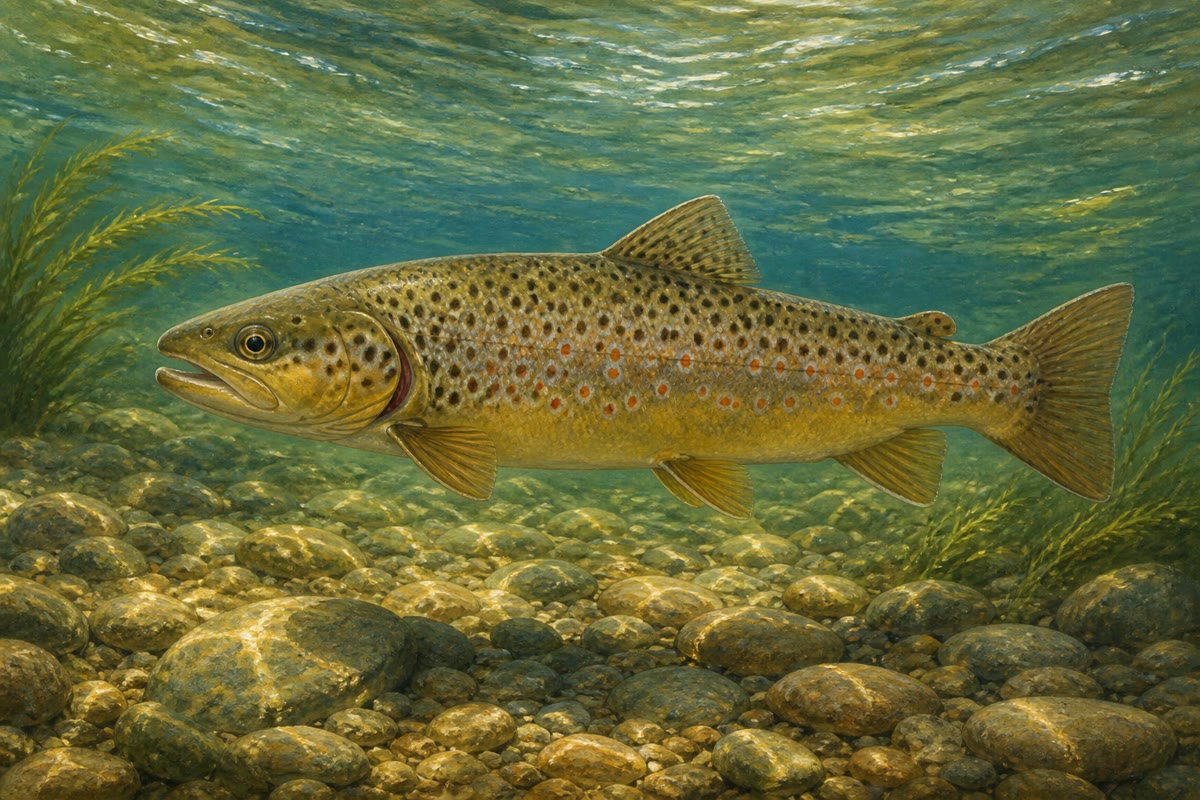
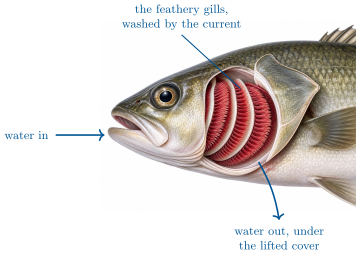
- gills: feathery surfaces held outside or at the body’s edge, washed by a current of water — fish (Exercise 26.11), tadpoles, many water larvae, mussels;
- tracheae: a network of fine air tubes piped from openings along the body straight to every organ — insects; air is delivered door-to-door, largely without the blood’s help;
- skin breathing: the whole moist skin as exchange surface — the earthworm entirely; amphibians as a large supplement to their simple lungs.
Examples
Example 47.3 (Watching the machines run)
Each machine shows its rhythm. The trout’s mouth and gill covers pump in steady alternation — water in at the mouth, over the gills, out under the covers. The resting grasshopper’s abdomen pulses — pumping its air tubes. The frog’s throat flutters — pushing air into its lungs (no rib cage to do it). Only the earthworm shows nothing: skin breathing has no movements at all, which is exactly why Definition 46.1 distinguished the swap from the pumping.
Example 47.5 (Two lives, two machines in one animal)
The frog runs the whole chapter in one life: gills as a tadpole (a water-dweller’s machine, Example 8.7), lungs plus moist skin as an adult — the lungs simple, the skin doing much of the work, especially through the cold pond-bottom winter (Exercise 38.11: that dormant frog breathes through its skin alone). Metamorphosis rebuilds even the breathing machinery.
Example 47.6 (Breathing air while living in water)
Water-dwellers with lungs must commute. The dolphin and whale surface to blow and inhale (Example 44.5: mammal lungs, inherited from land ancestors); the pond snail climbs to the surface to refill; the diving beetle carries a silvery air bubble under its wing covers — a diver’s tank, renewed at the surface. Habitat is negotiable; the machine’s medium is not.