Primary & Middle School Physics · Grades 1–9
26The Solar System
The Earth, you know, makes a yearly lap around the Sun. But is it traveling alone? Look up on a clear evening: among the fixed sparkles, a few bright lights slowly wander from week to week. The ancients called them the wanderers; we call them planets — worlds circling the same Sun as we do.
26.1 One star, eight planets
Definition 26.1 (Star)
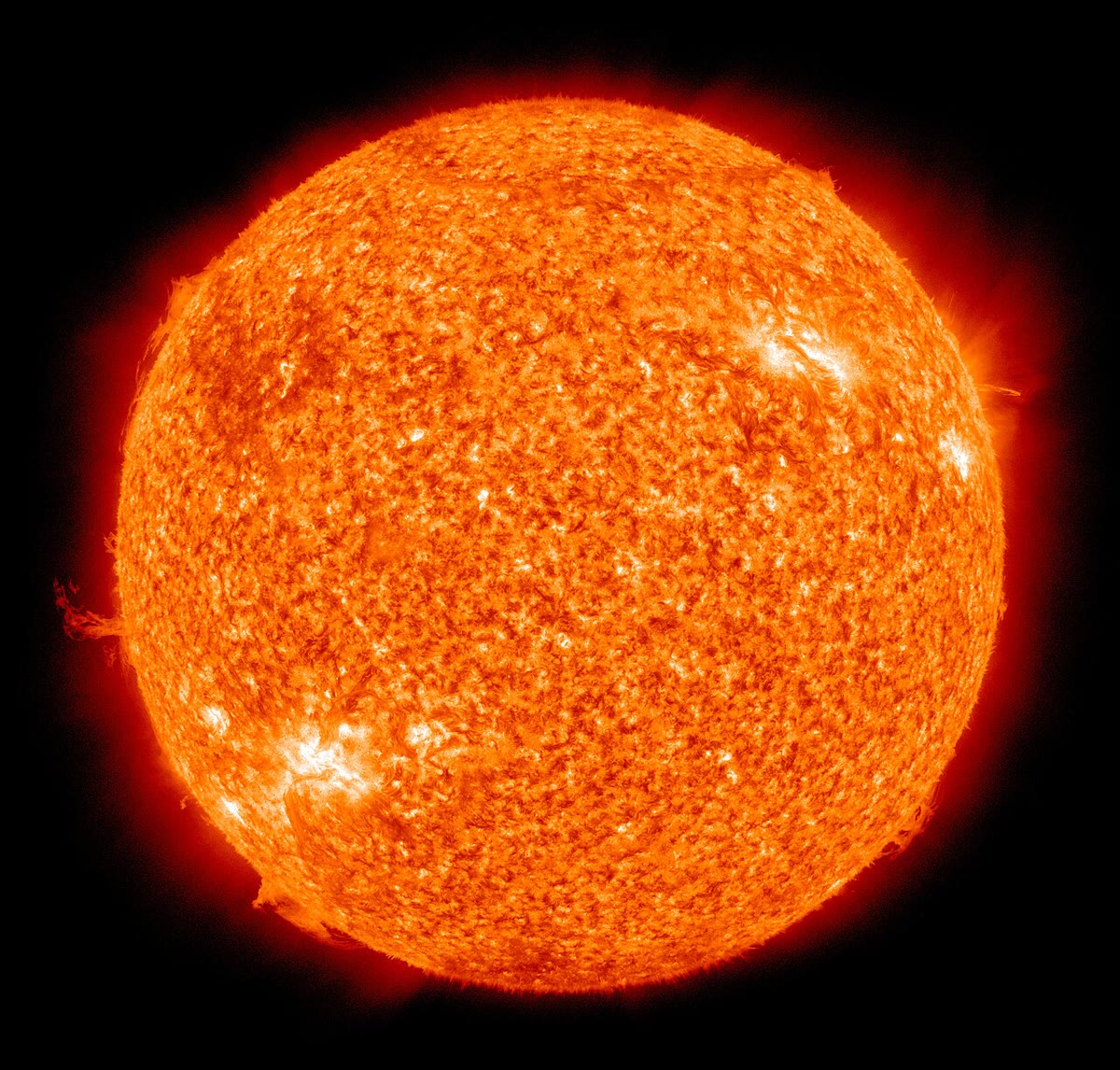
A star is a gigantic ball of glowing-hot stuff that makes its own light — a true light source. The Sun is a star: our star, close enough to warm our faces. (The night’s other stars get a chapter of their own next year.)
Definition 26.2 (Planet)
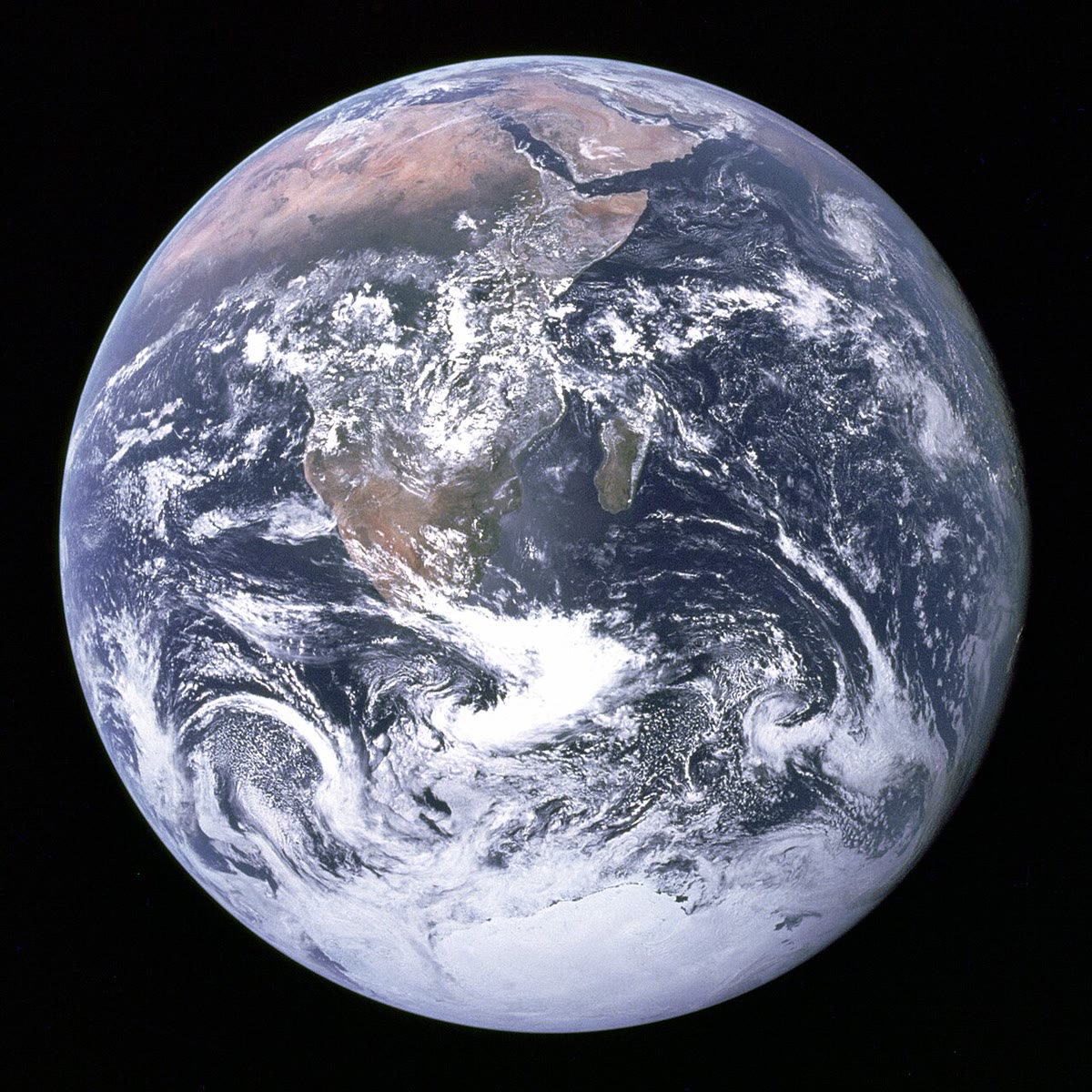
A planet is a big, round world that travels around a star and makes no light of its own — we see planets, as we see the Moon, by the sunlight they send back. The Earth is a planet.
Definition 26.3 (The Solar System)
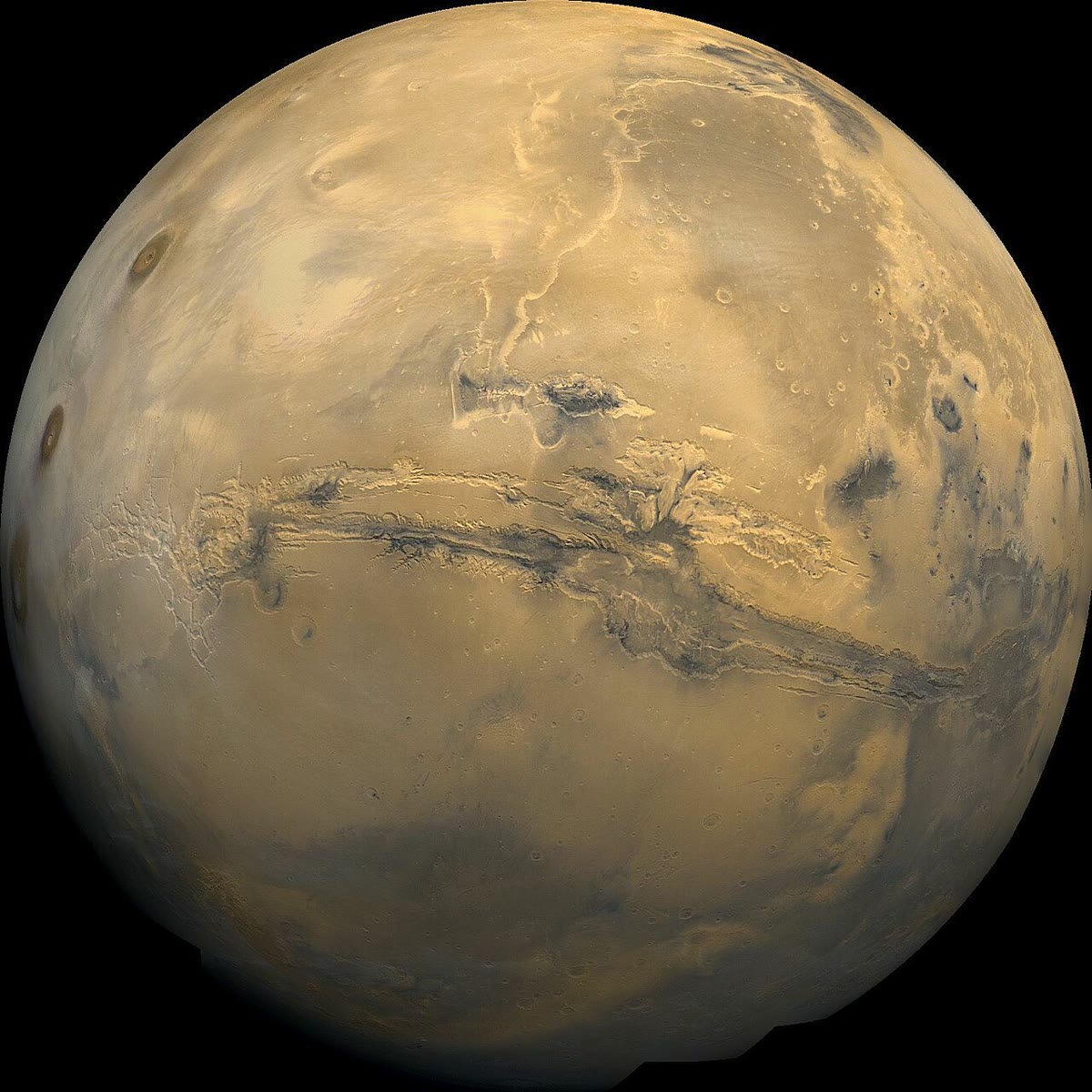
The Solar System is the Sun together with everything that travels around it: the eight planets — in order: Mercury, Venus, Earth, Mars, Jupiter, Saturn, Uranus, Neptune — plus their moons and a crowd of smaller rocks and ice balls.
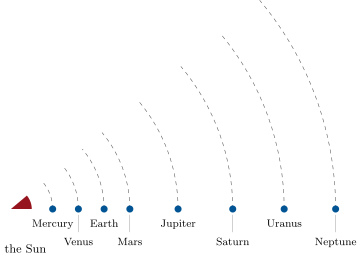
Proposition 26.4 (The planets’ habits)
The planets keep tidy habits: each travels around the Sun on its own nearly-circular road, all of them circle the same way, and all the roads lie nearly in one flat plane — like rings drawn on one tabletop. And the farther a planet’s road from the Sun, the longer it takes for one lap: Mercury laps in days, the Earth in one year, far Neptune in years.
Example 26.5 (Rocky planets and gas giants)
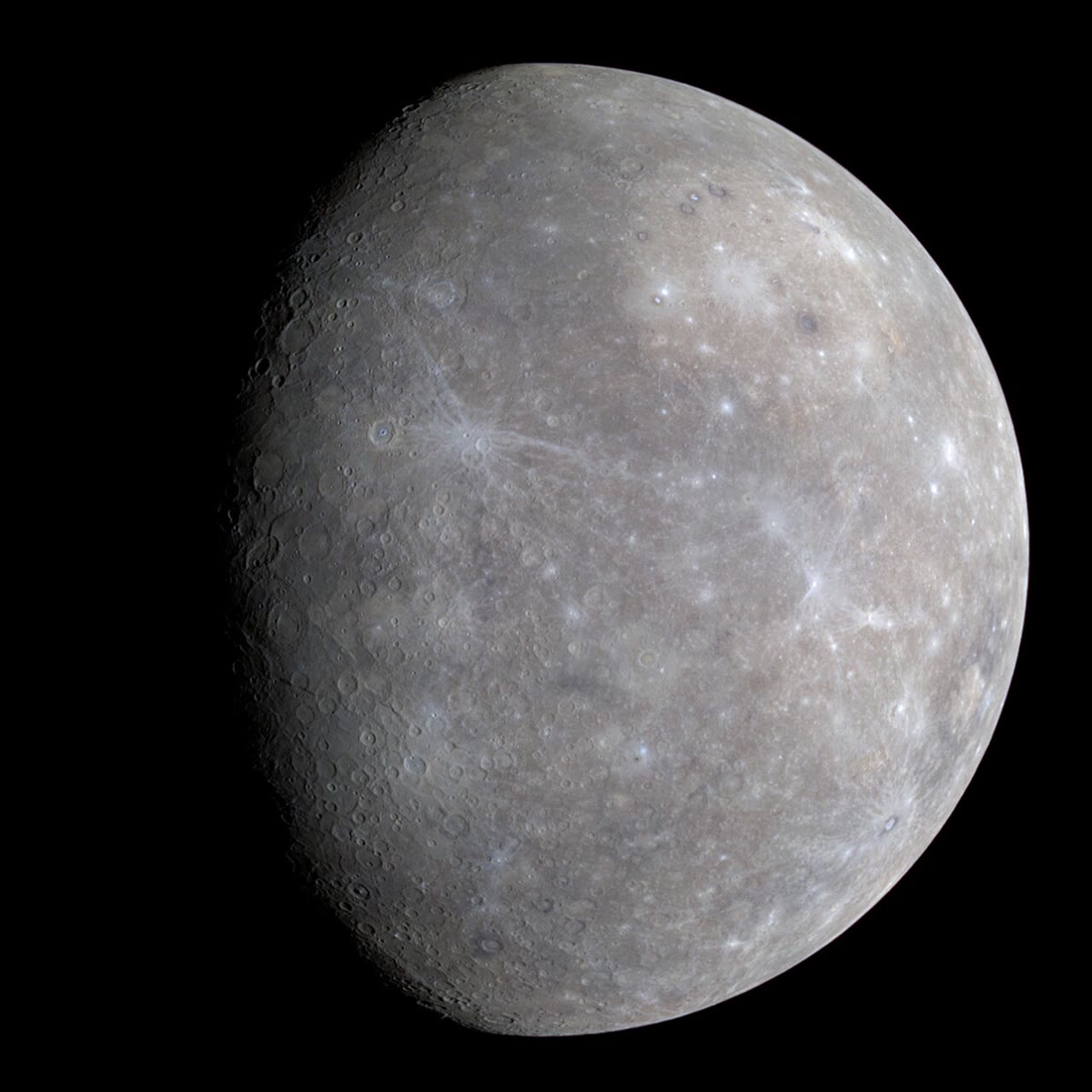
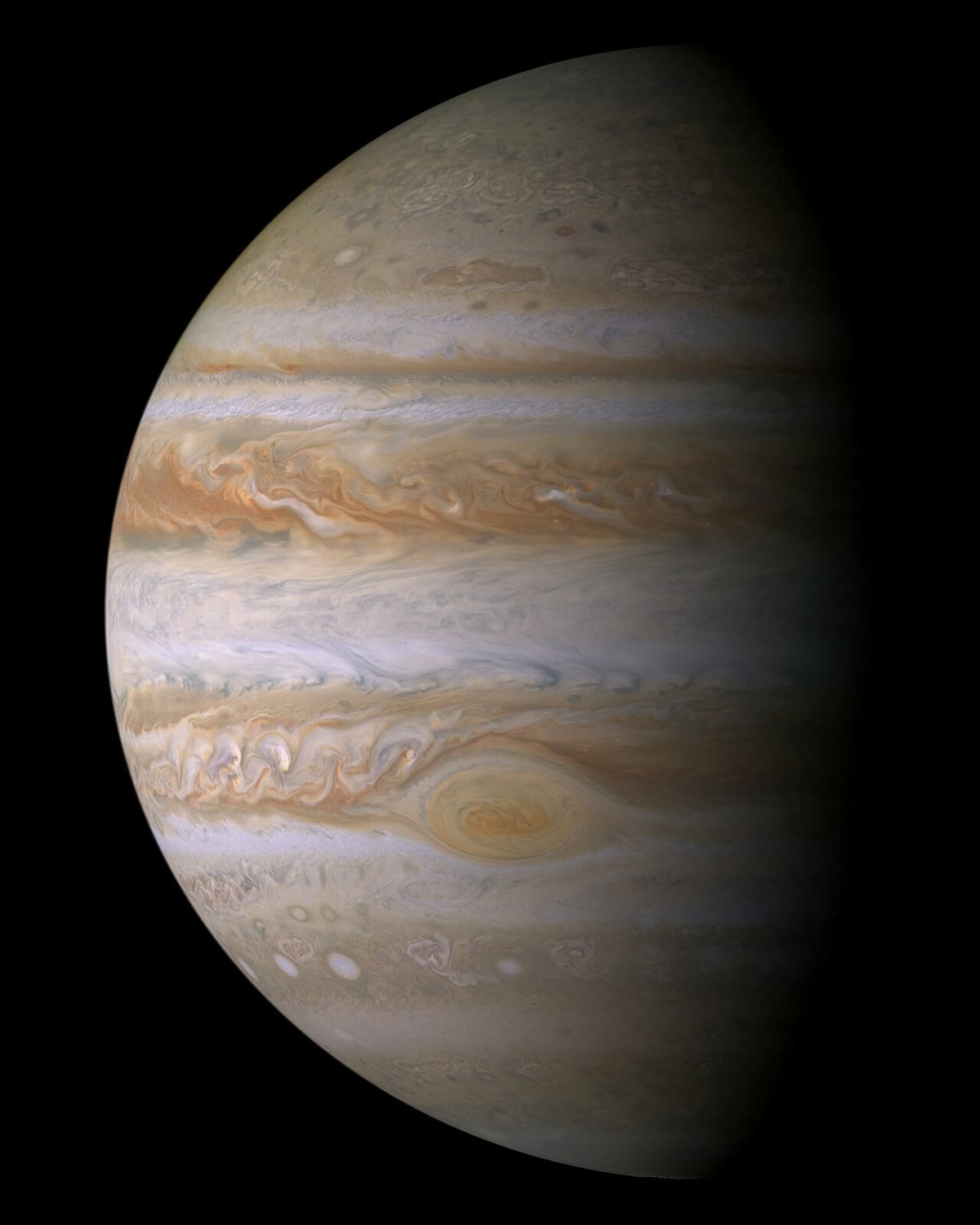
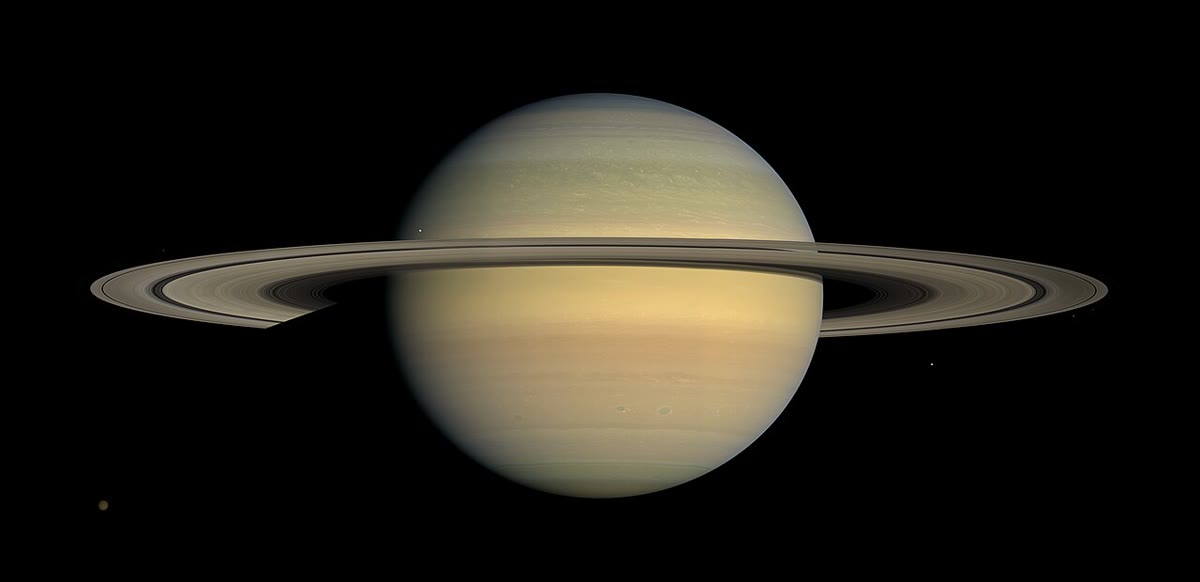
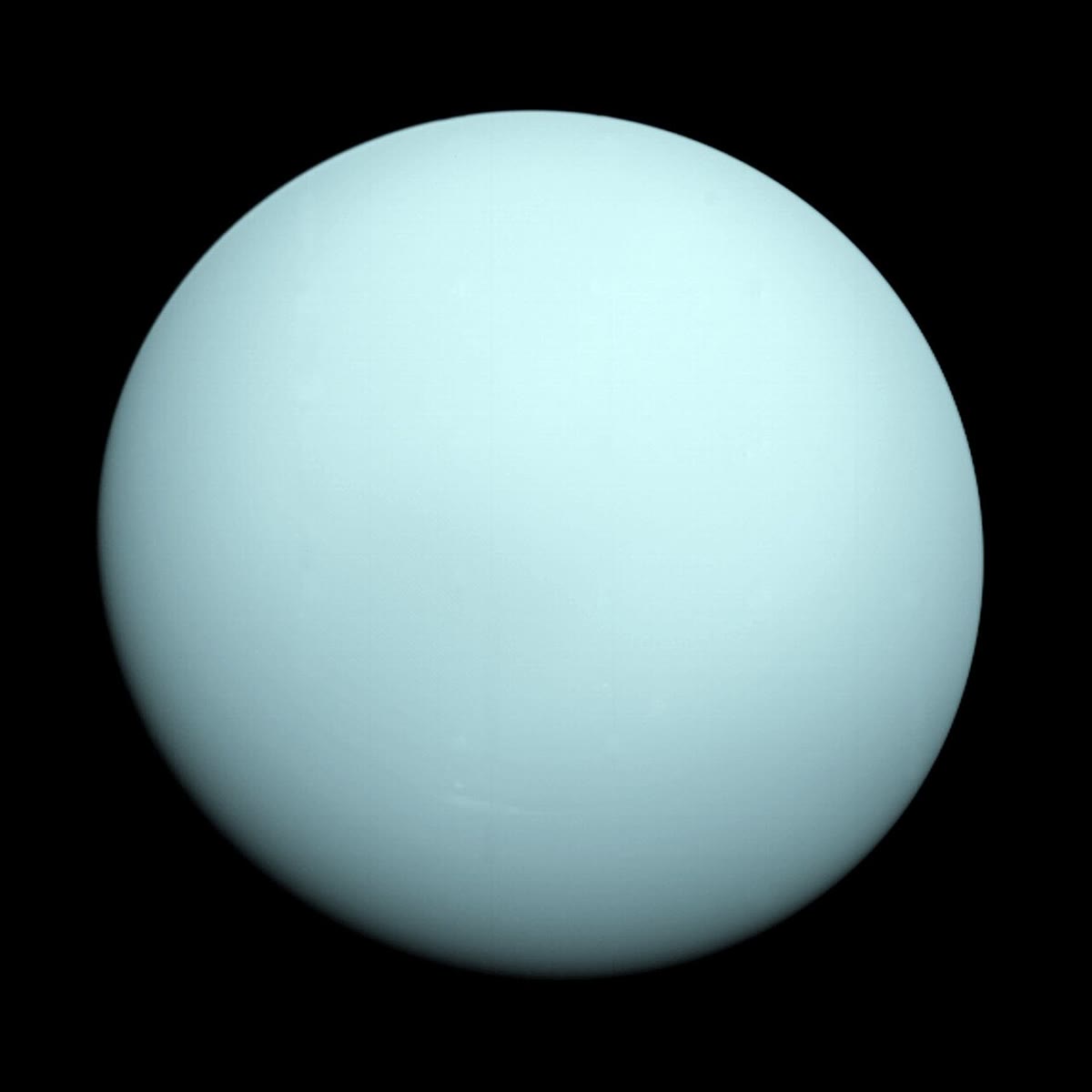
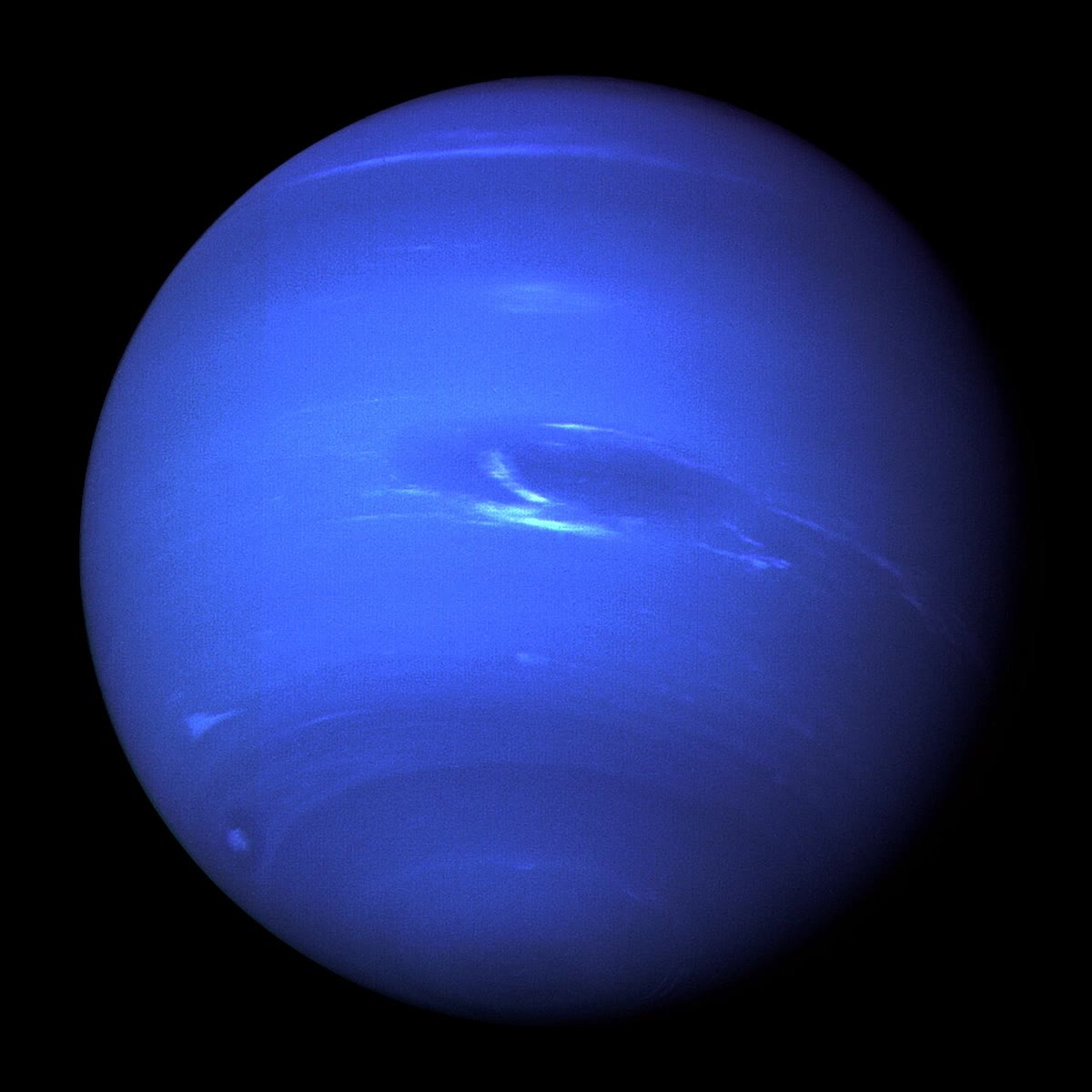
The four inner planets — Mercury, Venus, Earth, Mars — are balls of rock, small and solid: worlds you could stand on. The four outer ones — Jupiter, Saturn, Uranus, Neptune — are the giants: enormous balls mostly of thick gas, with no ground to stand on at all. Jupiter, the biggest, could swallow more than a thousand Earths; Saturn wears its famous shining rings — countless little pieces of ice circling it like a crowd of tiny moons.
Example 26.6 (Moons are not planets)
Our Moon circles the Earth, not the Sun directly — so it is not a planet but a moon, a companion of a planet. Other planets have moons of their own: Mars has two small ones, Jupiter and Saturn dozens each. A moon belongs to its planet; the planet belongs to the Sun.
26.2 How far is far
Method 26.7 (A scale model of the Solar System)
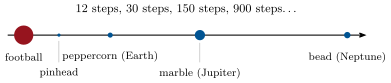
The distances between planets are enormous — millions of kilometres. To feel them, build a scale model of the Solar System in a park, shrinking every size and distance by the same factor:
- let the Sun be a football placed at the gate;
- then the Earth is a peppercorn — and to place it fairly, walk about big steps from the football;
- Mercury, a pinhead, stands about steps from the football; Jupiter, a marble, about steps; Neptune, a small bead, about steps — most of a kilometre away!
Walk it, and feel what no drawing shows: the Solar System is almost entirely empty space, with tiny worlds very far apart. In this model one big step stands for about five million kilometres of real space.
Example 26.8 (The wanderers in our sky)
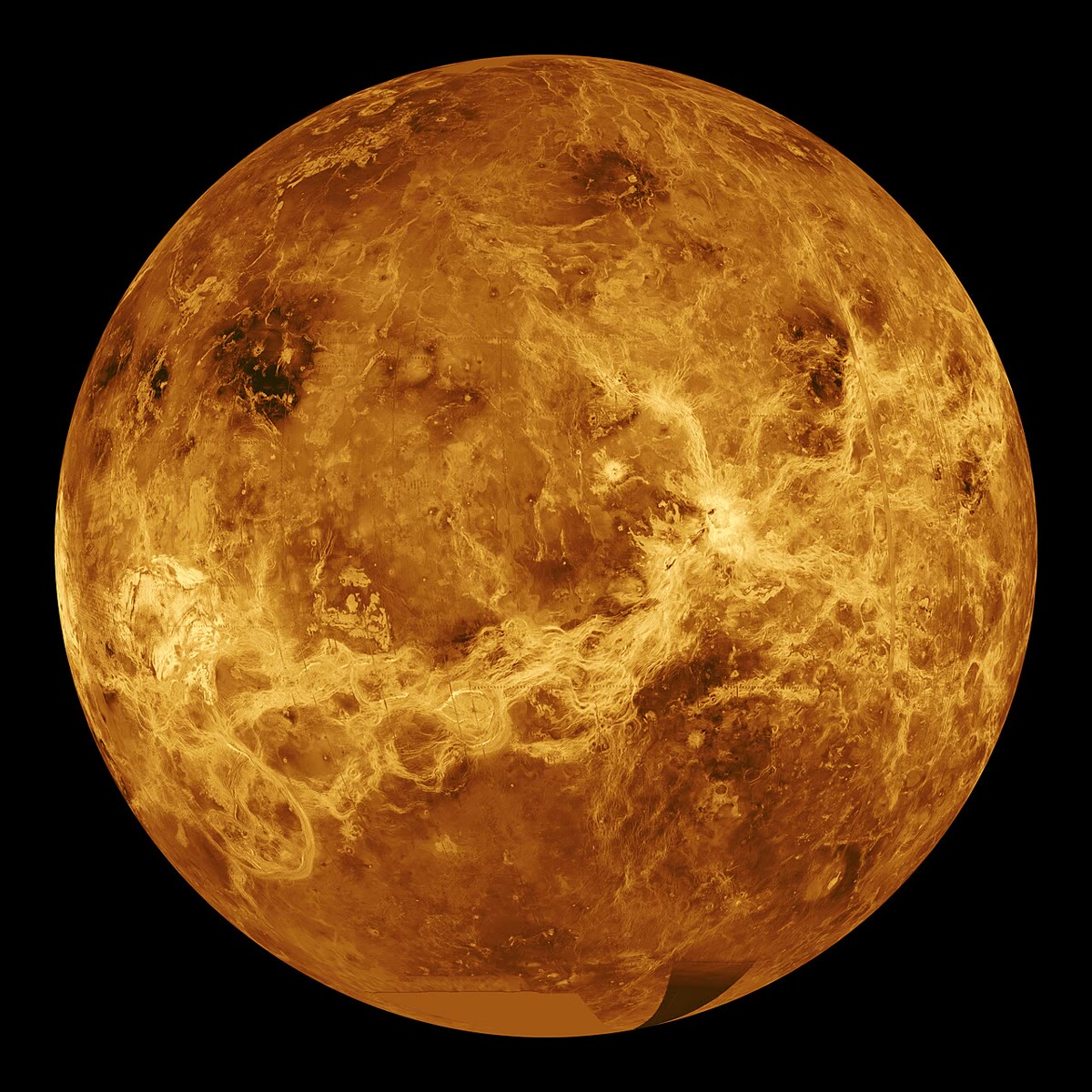
Venus is often the first “star” of the evening, blazing in the west after sunset — so bright because it is our nearest neighbor, wrapped in white clouds that send sunlight back generously. Mars glows faintly orange; Jupiter and Saturn shine steady and bright. Watch one of them for a few weeks against the fixed stars: it drifts — the very wandering that gave planets their ancient name.
Remark 26.9 (An old picture, redrawn)
For most of history, people placed the Earth at the center of everything, with Sun, Moon and planets circling us. Careful watchers of the wanderers found that picture creaking — planets sometimes drift backward for a while, hard to explain with Earth enthroned in the middle. The Sun-centered picture you have just learned explained the wanderings simply, and it stands among the boldest ideas humans ever accepted: our home is not the center — it is the third planet from the Sun.
26.3 Exercises
Exercise 26.1 ★
What is the difference between a star and a planet? Which one is the Sun? The Earth?
Exercise 26.2 ★
Recite the eight planets in order from the Sun. Which is ours?
Solution
Solution of Exercise 26.2.
Mercury, Venus, Earth, Mars, Jupiter, Saturn, Uranus, Neptune — ours is the third, Earth.
Exercise 26.3 ★
Which planets are small and rocky? Which are the gas giants? Name the biggest of all, and the one with the famous rings.
Solution
Solution of Exercise 26.3.
Rocky: Mercury, Venus, Earth, Mars. Giants: Jupiter, Saturn, Uranus, Neptune. Biggest: Jupiter. The rings: Saturn.
Exercise 26.4 ★
Why is the Moon not counted among the planets? What does it circle?
Exercise 26.5 ★
Mercury laps the Sun in days, the Earth in , Neptune in years. What habit of the planets do these numbers show?
Solution
Solution of Exercise 26.5.
The farther the road from the Sun, the longer the lap: close Mercury races around quickly, far Neptune takes lifetimes.
Exercise 26.6 ★
In the park scale model, what plays the Sun, and how many steps away does the Earth stand? What is nearly all of the Solar System made of, by room?
Solution
Solution of Exercise 26.6.
A football is the Sun; the Earth (a peppercorn in the model) stands about big steps away. By room, the Solar System is almost entirely empty space.
Exercise 26.7 ★
Venus shines brilliantly, yet it is no star. Where does its light come from? (An old friend answers: think of the Moon.)
Exercise 26.8 ★
How could you tell, watching the sky for a few weeks, that a bright light is a planet and not a star?
Exercise 26.9 ★
In the park model, Jupiter stands at about steps and the Earth at about . Roughly how many times farther from the Sun is Jupiter than the Earth?
Solution
Solution of Exercise 26.9.
: Jupiter is about five times farther from the Sun than the Earth.
Exercise 26.10 ★★
A friend draws the Solar System with all eight planets packed snugly around the Sun like the chapter’s first picture, and asks why probes take years to reach the outer planets. Set them straight with the park scale model — what do almost all drawings of the Solar System lie about, and why do they have to?
Solution
Solution of Exercise 26.10.
Almost all drawings lie about the distances: drawn to scale, a page showing Neptune’s orbit would shrink the planets to invisible specks — so artists squeeze the orbits together to show the worlds at all. In truth — as the walked model shows — the planets travel in vast emptiness: even light and fast probes must cross hundreds of “steps” of nothing, which takes years.
Exercise 26.11 ★★
When the Earth was believed to sit at the center of everything, what sky-watching puzzle creaked against that picture? How did putting the Sun at the center dissolve the puzzle — and what did the new portrait cost us in pride?
Solution
Solution of Exercise 26.11.
The wanderers sometimes drift backward against the stars for weeks — clumsy to explain with everything circling an enthroned Earth. With the Sun at the center, the backward drift is a simple overtaking: the Earth, on a faster inner road, passes a slower outer planet, which then seems to slide backward. The cost: giving up the center — accepting that our home is planet number three.